Vietnam

“The Land of the Blue Dragon” (or “The Ascending Dragon”)
Vietnam is a destination of extraordinary variety, offering everything from vibrant, history-packed cities and serene coastlines to misty mountain retreats and world-famous natural wonders. The country’s popularity continues to grow, with major publications recognizing it as a must-visit destination for 2026.


📍 Must-See Highlights by Region

Here is a curated guide to some of Vietnam’s most compelling destinations, featuring both timeless classics and emerging hotspots.

Destination Best For Key Highlights & Why Visit
Hanoi First-time visitors, culture & history Vietnam’s historic capital is the ideal starting point for a journey. Explore the bustling Old Quarter, learn about the nation’s history at the Ho Chi Minh Mausoleum and the Museum of Ethnology, and savor the city’s legendary street food. Don’t miss the weekend night market when streets around Hoan Kiem Lake transform into a vibrant pedestrian hub.
Ha Long Bay & Lan Ha Bay Iconic scenery, cruising, photography The emerald waters and towering limestone karsts of Ha Long Bay are iconic, but it can be crowded. For a more serene experience, cruise instead to neighboring Lan Ha Bay, where the scenery is just as spectacular but with significantly fewer tourist boats. Kayaking and seaplane flyovers offer unforgettable perspectives.
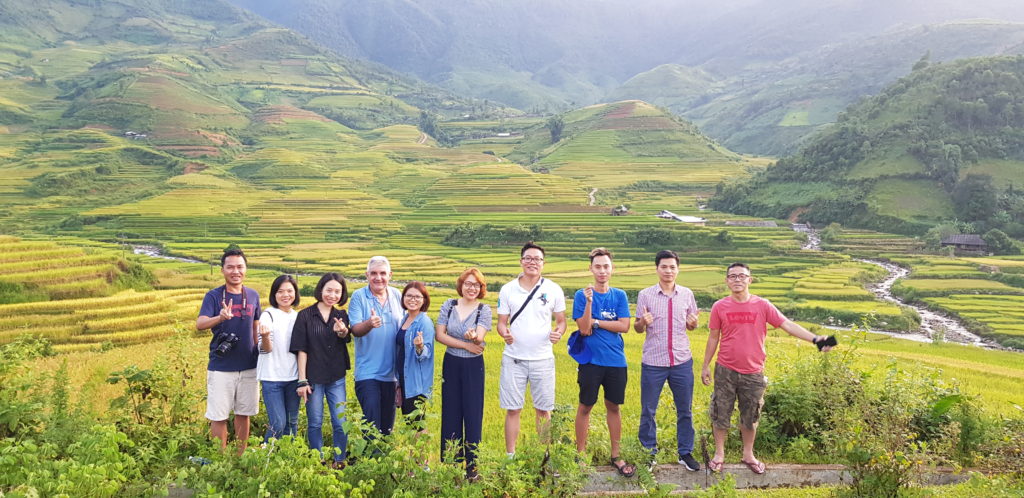
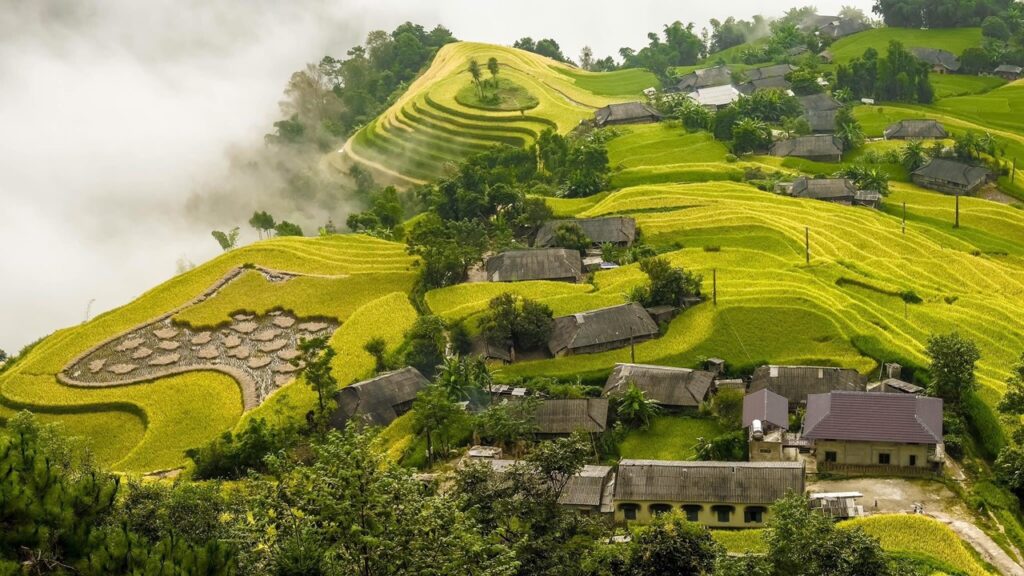
Sa Pa Trekking, mountain scenery, ethnic culture Located in the northern highlands, Sa Pa is famous for its breathtaking terraced rice fields, misty mountains, and vibrant ethnic minority villages. It’s a top destination for trekking and cultural immersion.
Ninh Binh Nature, history, off-the-beaten-path beauty Often called “Ha Long Bay on land,” Ninh Binh features dramatic limestone karsts, peaceful rivers, and ancient temples. Take a boat trip through the Trang An or Tam Coc caves to experience its surreal, tranquil landscape.
Hue Imperial history, royal cuisine, architecture The former imperial capital is a treasure trove of history. Explore the Imperial Citadel, a UNESCO World Heritage site, and visit the elaborate royal tombs of the Nguyen emperors. Hue is also renowned for its refined imperial cuisine, arguably the best in the country.
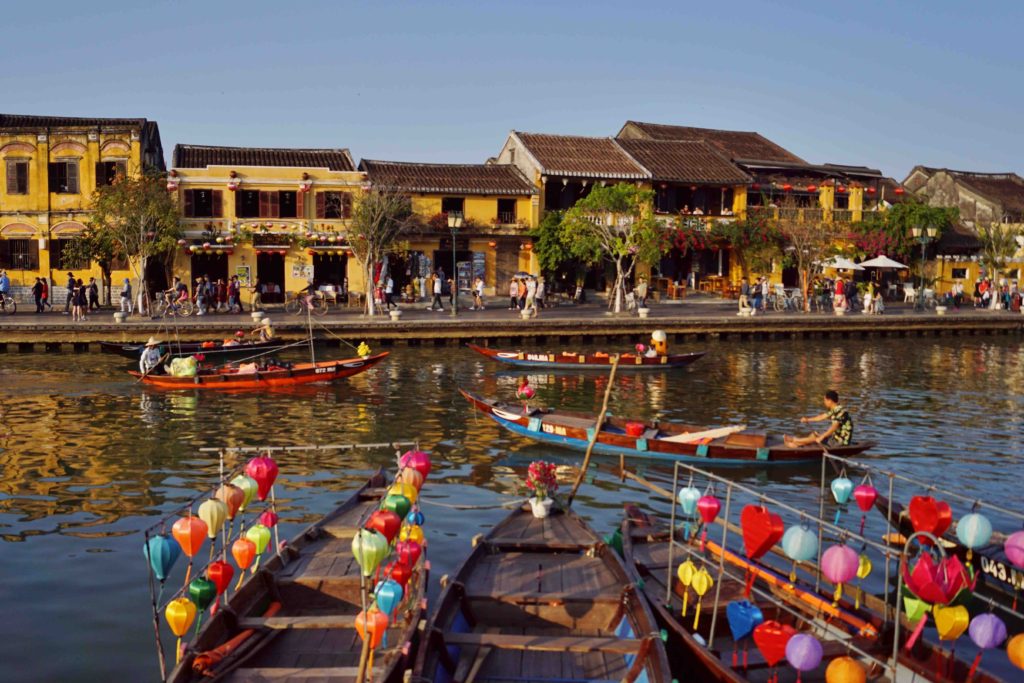
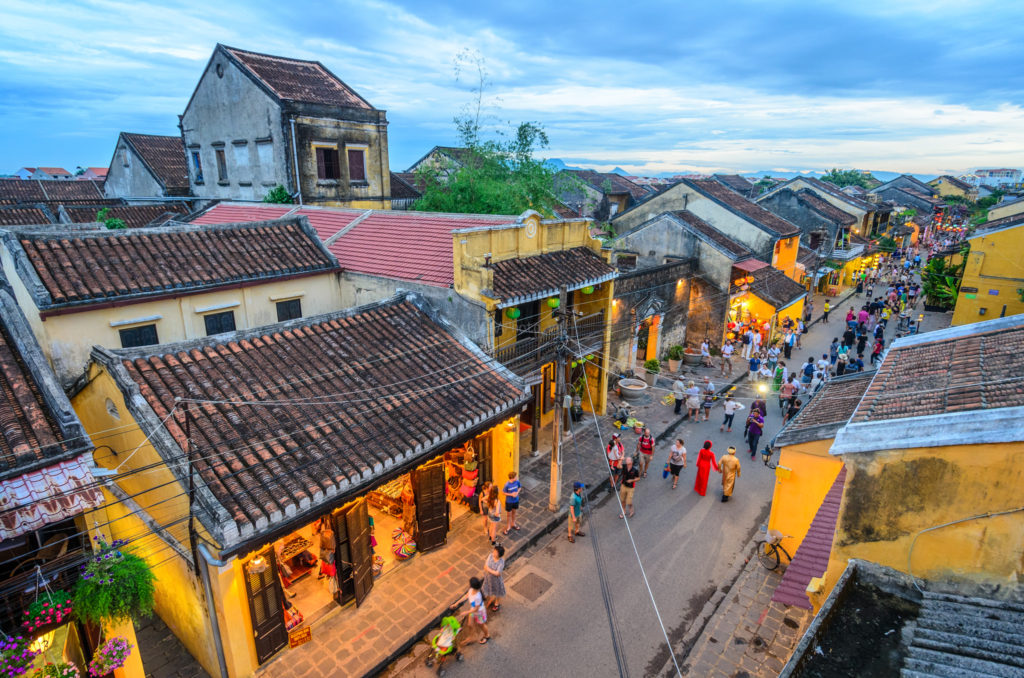
Hoi An History, tailoring, charm, UNESCO site This beautifully preserved ancient town is a delight to wander. Famous for its lantern-lit streets, riverside charm, and over 800 historic buildings, it’s also one of the best places in the world to have clothes tailor-made. Cycle through the surrounding countryside for a taste of rural life.
Da Nang Beaches, modern city, gateway to central sights This modern coastal city is a rising star and a top destination for summer 2026. It boasts beautiful beaches like My Khe, the iconic Golden Bridge at Ba Na Hills, and the Cham Sculpture Museum. It’s also conveniently located near both Hoi An and Hue.
Phong Nha – Ke Bang National Park Adventure, caving, nature This UNESCO World Heritage site is home to some of the world’s most spectacular caves, including the colossal Son Doong—the largest known cave passage on Earth. While Son Doong requires a costly permit, the park offers many other incredible caves accessible by boat, zip-line, or on foot.
Ho Chi Minh City Nightlife, history, modern energy Vietnam’s largest and most dynamic city pulses with energy. Explore the colonial architecture, visit the War Remnants Museum, and taste the city’s vibrant nightlife and street food from the back of a Vespa, which is a top-recommended experience.
Phu Quoc Beach holidays, luxury resorts, island life This tropical island in the south is a perfect beach getaway. Surrounded by turquoise waters and white-sand beaches, it offers a blend of relaxation, luxury resorts, and modern entertainment, including the world’s longest over-sea cable car.


Emerging Destinations for 2026

For travelers seeking to go beyond the classic route, Vietnamese travelers are increasingly drawn to lesser-known spots offering more personalized experiences. Consider adding these to your itinerary:

  • Ly Son Island: A volcanic island with turquoise waters and a tranquil atmosphere, emerging as a quieter alternative to busier beach destinations.
  • Mang Den: A rising star in the Central Highlands, offering a cool climate, pine forests, and a laid-back vibe similar to Da Lat.
  • Ba Be Lake: Tucked in a beautiful national park, this is a perfect spot for boating, kayaking, and exploring ethnic minority villages away from the crowds.


Vietnam’s diverse destinations ensure there is something for every type of traveler.

Quick Facts

Neighboring countries: China to the north, Cambodia to the southwest, and Laos to the west. The South China Sea borders the country to the east.


Area: 331 041 km²


Population: 99.19 million (January 2024)


Capital: Hanoi


Time Zone: GMT+7 hours. Daylight saving time (DST) has not been implemented in Vietnam.


Religion: Buddhists (75 %), Catholics (7%), Caodaïstes (2 %), Hoa Hao (2%), Protestants (0.75%), Muslims (0.1%)


Language: Vietnamese


Currency: Vietnamese Dong VND ($1 = 25,300 VND – June 2024)


Electric plug used: 220 Volts at 50Hz. Plugs type A (two flat vertical pins), type C, and type F (two round pins) fit most Vietnam electrical outlets. If your power plug has three pins, you would need an adapter, as most electrical outlets here do not include grounding holes.


Last update: June 2024

Visa & Travel Permissions

Visa Exemptions

25 countries have been granted visa exemptions, which can be used at all official international border checkpoints.

  • Maximum 90 days: Chile
  • Maximum 45 days: United Kingdom, Sweden, Spain, South Korea, Russia, Panama, Norway, Japan, Italy, Germany, France, Finland, Denmark, Belarus.
  • Maximum 45 days: Belgium, Bulgaria, Croatia, Czech Republic, Hungary, Luxembourg, Netherlands, Poland, Romania, Slovakia, Slovenia, and Switzerland. This visa exemption is valid till 14 August 2028.
  • Maximum 30 days: Thailand, Singapore, Malaysia, Laos, Kyrgyzstan, Indonesia, Cambodia
  • Maximum 21 days: Philippines
  • Maximum 14 Days: Myanmar, Brunei

Conditions

  • A traveler’s passport must have at least six months of validity following the arrival date in Vietnam.
  • Travelers wishing to enter Vietnam using this visa exemption must show their return air ticket.
  • British National Overseas (BNO) passport holders are not eligible for the Vietnam visa exemption. So, they need to apply for a visa to visit Vietnam.
  • APEC Business Travel Card (ABTC) holders with valid passports are exempt from Vietnam visa requirements for a stay of no longer than 60 days.
  • The visa-free stay period is counted from the date of entry.


Electronic Visa (e-Visa) – USD25-50

e-Visas are available to citizens from 199 countries, including the United Kingdom and the United States. E-Visas are meant for travelers:

  • Who do not belong to the list of visa-exempt countries.
  • Who are from visa-exempt countries but wish to apply for a multi-entry visa.
  • Those from visa-exempt countries wish to stay longer than the visa exemption allows.

E-Visas are accepted at any of Vietnam’s 13 international airports, 16 land border gates, and 13 sea border gates.


The Vietnam E-visa is valid for up a 90 days, with single or multiple entries.


The visa fees are:

  • Single-entry: 25 USD
  • Multiple entries: 50 USD


WARNING: FRAUDULENT EVISA SITES EXIST. PLEASE PROVIDE THIS LINK TO YOUR TRAVELERS TO AVOID ANY ISSUES


The application can be processed through this website:
https://evisa.gov.vn/

Mandatory QR Pre-Arrival Form at Tan Son Nhat International Airport

International travelers arriving at Tan Son Nhat International Airport (Ho Chi Minh City) are required to complete a QR-based digital pre-arrival form upon entry, with the generated code to be presented during immigration procedures through this website: https://prearrival.immigration.gov.vn/


Last update: May 2026

Baggage Allowances

Cambodia is a country with a rich and diverse cuisine, influenced by its ancient and colonial history, its dominant religion of Buddhism, and its ethnic diversity. Some of the typical dishes that you can find in Cambodia are:

  • Amok is Cambodia’s national dish, a fragrant and spicy coconut fish curry steamed in banana leaves. It has a mousse-like texture and a distinctive flavor from the spice paste called kroeung. You can also try amok with chicken, tofu, or snails.
  • Kuy teav is a popular street food dish and a common breakfast in Cambodia. It is a noodle soup made from rice vermicelli and pork or beef bones. The broth is topped with fried shallots, garlic, bean sprouts, green onion and herbs. You can also add pork or fish balls, and dip the noodles in chilli paste, lime juice, or hoisin sauce.
  • Nom banh chok is another noodle dish that is often eaten for breakfast or as a snack. It consists of thin rice noodles topped with a green fish curry made from lemongrass, turmeric, kaffir lime leaves, and coconut milk. It is garnished with fresh vegetables, such as cucumber, banana flower, bean sprouts, and mint.
  • Samlar machu is a sour soup that can be made with various ingredients, such as fish, chicken, beef, pork, or vegetables. The sourness comes from tamarind, lime juice, or vinegar. The soup also contains kroeung, palm sugar, fish sauce, and herbs. It is usually served with rice.
  • Kampot pepper crab is a specialty of the coastal town of Kep, where you can find fresh crabs caught daily from the sea. The crabs are stir-fried with garlic, salt, and the famous Kampot pepper, which has a floral and spicy aroma. The dish is simple but delicious.
  • Lap Khmer is a refreshing beef salad that is marinated in lime juice and fish sauce. The beef is thinly sliced and cooked rare or raw. It is mixed with lemongrass, garlic, shallots, chillies, mint, basil, and roasted rice powder. It is served with lettuce leaves and cucumber, slices.
  • Both international and domestic flights usually include a baggage allowance of 20kg for checked luggage and 7kg for carry-on. However, baggage allowances vary depending on the airline travelers use


    Please visit your airline’s website for information about baggage allowances and extra fees.


    Last update: June 2024

  • Samlar kari is a chicken curry that is influenced by Indian cuisine. The curry paste contains turmeric, ginger, garlic, shallots, lemongrass, galangal, coriander seeds, cumin seeds, and dried chillies. The chicken is cooked with coconut cream and milk, fish sauce, palm sugar, sweet potatoes, and onions. It is served with rice or baguette.

Seasonality

North
Northern Vietnam experiences distinct seasons. From May to September, summers are hot and humid, with occasional rains. Winters, from December to February, are cool and dry, and this is the best time to explore the region’s mountainous landscapes. Spring and Autumn bring pleasant weather with blooming flowers in spring, making them ideal for outdoor activities and cultural festivals.

Center
Central Vietnam is characterized by a tropical monsoon climate. The region has a rainy season from September to December, with heavy rains and occasional typhoons. From January to August, the dry season is hot and sunny, making it the most popular time for beach vacations. However, it’s worth noting that the weather can vary between the northern and southern parts of Central Vietnam, so it’s advisable to check specific destinations for the best time to visit.

South
Weather in the South is generally more pleasant than other regions. From December to April, the dry season is marked by warm temperatures and minimal rainfall, making it an ideal time for exploring Ho Chi Minh City, the Mekong Delta, and coastal areas. The wet season, from May to October, brings occasional heavy rains, especially from June to August, which can lead to flooding in some areas. Despite the rain, the wet season can also be a fascinating time to visit, as the Mekong Delta’s floating markets are at their liveliest.

View the detailed weather in Vietnam here.


Last update: June 2024

Access & Transportation

Flying into Vietnam
Over 70 international airlines operate in Vietnam, including major carriers such as Air France, Cathay Pacific, Emirates, Lufthansa, United Airlines, and Swiss Air.

The main airports are:

Noi Bai International Airport, Hanoi (HAN)

  • It is located 25km from the city center. The transfer from the city center to the airport takes around 45 minutes.

Phu Bai International Airport, Hue (HUI)

  • We are located 13km from the city center. The transfer from the city center to the airport takes around 30 minutes.

Danang International Airport, Danang (DAD)

  • Located 4km from the city center. The transfer from the city center to the airport takes 20 minutes.

Cam Ranh International Airport, Nha Trang (CXR)

  • It is located 30km from the city center. The transfer from the city center to the airport takes around 40 minutes.

Tan Son Nhat International Airport, Ho Chi Minh City (SGN)

  • Located 6km from the city center. The transfer from the city center to the airport takes around 30 minutes.

Phu Quoc International Airport, Kien Giang (PQC)

  • Located 10km from the city center. The transfer from the city center to the airport takes around 30 minutes.

Getting to Vietnam by Land – Border Crossings

Land borders China/Vietnam: Mong Cai, Huu Nghi, Dong Dang, Lao Cai

  • Note: you must have a visa before going through immigration and customs

Laos /Vietnam: Cau Treo, Cha Lo, Lao Bao, Tay Trang, Na Meo, Nam Can, Bo Y

  • Note: visas are available at most land borders

Land borders Cambodia /Vietnam: Moc Bai, Sa Mat, Vinh Xuong, Tinh Bien, Bo Nue, Thuong Phuoc, Xa Xia

  • Note: Visits are available at most land borders.

Domestic Flights
Vietnam Airways, VietJet Air, and Jetstar provide frequent services between critical locations, including Hanoi and Ho Chi Minh City.

Getting around Vietnam by Bus

Long-distance buses are ubiquitous in Vietnam and connect most major cities. Please bear in mind that even though the bus network is quite well developed, roads are often in bad condition and buses have to go slowly sometimes and stop frequently to pick up and drop off passengers. Transfer times are usually counted in hours and not in kilometers. Vietnam’s rail network covers a lot of ground and can take travelers around the north, down the coast, and onto Ho Chi Minh. Popular lines are:

  • Hanoi to Lao Cai / Sapa
  • Hanoi to Hue/Hoi An (SE1/SE3)
  • Ho Chi Minh City to Hue/Hoi An (SE2/SE4)
  • Ho Chi Minh City To Hanoi (Reunification Railway)

The central region is easily accessible from either the north or the south. The SE1/SE3 trains are an excellent option for those traveling from the north. If your travelers are visiting the country south to north, then we usually recommend the SE2/SE4 train.

Since 2023, luxury trains (SE19 and SE20) have been launched, connecting Hanoi with Da NangVietnam’sVietnam’s most famous tourist destinations. From upgraded facilities to convenient resting spaces, the newly launched trains will impress international travelers.

Traveling the length of Vietnam is easy thanks to the Reunification Railway. The Hanoi-Ho Chi Minh City train service has steadily improved with more trains and modern, comfortable carriages.

Note: Vietnamese trains have different comfort levels that range from basic hard seats to more luxurious slesleeperHere’sserHere’sbreakdown of the main classes available on Vietnamese trains:

  • Hard Seat: the most basic and economical option, featuring wooden or metal seats.
  • Soft Seat: soft seats are padded and generally more comfortable.
  • Hard Sleeper: this class offers bunk beds in open compartments of six beds each.
  • Soft Sleeper: a more comfortable overnight travel option with only four beds in open compartments and softer mattresses.
  • VIP Sleeper: On specific routes, VIP Sleeper cabins are the most luxurious option, often featuring two soft beds per compartment, more space, and sometimes additional amenities like personal TVs or private bathrooms.

Getting around Hanoi & Ho Chi Minh

Taxi’s & Moto-taxis

While taxis are available, moto-taxis are a prevalent means of getting around urban areas. We recommend travelers download the Grab mobile app to book moto-taxis and taxis. The app will allow them to pin their location and destination and indicate the price of the fair, avoiding the need to negotiate or the risk of getting scammed.


Last update: June 2024

Money & Budget

National Currency

The money in Vietnam is the Vietnam Dong.

The official exchange rate is $1 = 24,676 VND (February 2024)

Currency exchange

Major currencies can be exchanged practically anywhere in Vietnam. Money can be easily exchanged in authorized shops and banks (Vietcombank, BIDV, Techcombank, etc.). Banks in major cities like Hanoi and Ho Chi Minh City will exchange foreign currencies and most travelers’ cheques.

BRING NEW NOTES. ANY DAMAGED OR DIRTY NOTES WILL BE CHARGED AN ADDITIONAL TWO PERCENT OF THE NOTE’S FACE VALUE.

ATM and Credit Cards

International credit/debit cards such as VISA and MASTERCARD are accepted in most ATMs and shops/stores that take card payments. With a foreign card, a small percentage of the amount withdrawn/paid will be charged.

The money withdrawn at ATMs is always in Vietnam Dong.

Traveler Cheques

Only banks in big cities such as (Hanoi or Ho Chi Minh) keep accepting traveler cheques. We recommend you have another means of payment.

Tips

Tips are not part of the tradition of Vietnam. However, tipping is becoming more popular in some situations. For example, you can tip your guide, luggage porters, and taxi drivers; however, it is unusual to tip a waitress/ waiter.

Temple Donations

When visiting temples or pagodas, travelers usually see donation boxes near the entrance/exit where they can place money. These donations are dedicated to the maintenance of the site. Vendors and other people within the venue may also invite you to pray with them with an incense stick, but if you accept, some of them will likely ask you for some money in exchange.

Bargaining

Bargaining is part of the Vietnamese tradition. Travelers must be careful, however, not to offend the vendor, to keep smiling, and to stay polite in any circumstance.

Also, travelers shouldn’t push too much and should not bargain in places with fixed prices.


Last update: June 2024

Foods

Vietnamese dishes travelers are likely to come across:

  • Coffee: Coffee is an integral part of Vietnamese culture, and there are many different kinds of coffee available, including coconut coffee, egg coffee, and coffee with condensed milk.
  • Banh Mi: a short baguette with a thin, crisp crust and a soft, airy texture. It is split lengthwise and filled with meat and savory ingredients such as eggs, pâté, and herbs.
  • Pho: one of Vietnam’s most famous dishes, Pho is a soup consisting of broth, rice noodles, herbs, and meat (beef for chicken). Pho can be found everywhere at all hours of the day and in all types of restaurants.
  • Bun Cha: this dish consists of grilled fatty pork over a plate of white rice noodles and herbs with a side dish of dipping sauce.
  • Banh Cuon: generally eaten for breakfast, Banh cuon is made from a thin, wide sheet of fermented rice batter filled with a mixture of cooked seasoned ground pork, minced wood ear mushroom, and minced shallots. Sides for this dish usually consist of pork sausage, sliced cucumber, and bean sprouts, and it is served with fish sauce for dipping.
  • Xoi: Xoi is a savory or sweet dish made from glutinous rice. Xoi is a common on-the-go breakfast item and a popular snack nationwide. Although it is often served as a breakfast or dessert, people also eat it at lunch or dinner as a main dish in many areas of Vietnam.
  • Bun Bo Hue: Bun Bo Hue is a rice noodle dish with sliced beef, pork sausage, and sometimes pork knuckles.
  • Banh Xeo: Banh Xeo is a crispy, stuffed rice pancake. It is a savory fried pancake made of rice flour, water, and turmeric powder.


Last update: June 2024

Import & Export Restrictions

Overview:

Travelers may freely import the following items into Vietnam without incurring customs duty.

1. For passengers 18 years of age and older:

a. tobacco products: 200 cigarettes, 20 cigars, or 250 grams of tobacco;

b. alcoholic and non-alcoholic beverages:

  • liquor at 20% volume and above 1,5 liters; or
  • liquor below 20% volume: 2 liters; or
  • other alcoholic beverages (excl. wines) and soft drinks: 3 liters;

b. tea, max. 5 kilograms; coffee, max. 3 kilograms;

2. A reasonable quantity of perfume and personal belongings;

3. For Other goods, the total value does not exceed ten million VND (Vietnamese Dong).

Banned imports

Prohibited imports include weapons, ammunition, explosives, military equipment, antiques, drugs, toxic chemicals, immoral products, firecrackers, E-cigarettes and Heated Tobacco products, and raw gold.

Banned Exports

Prohibited exports include weapons, ammunition, explosives, military equipment, antiques, drugs, toxic chemicals, wild animals, endangered plants and animals, documents related to national security, E-cigarettes and Heated Tobacco products, and raw gold.

Currency Import regulations:

Local currency (Vietnamese Dong-VND): no restrictions. Amounts exceeding VND 15,000,000.- must be declared on arrival.
Foreign currencies: no restrictions. Amounts exceeding USD 5,000.- (or equivalent) must be declared on arrival—amounts under USD 5,000.- (or equivalent) to be deposited in credit institutions and branches of foreign banks must also be declared on arrival.

Currency Export regulations:

Local currency (Vietnamese Dong-VND): no restrictions. Amounts exceeding VND 15,000,000.- must be declared on departure.
Foreign currencies: no restrictions. Amounts exceeding USD 5,000.- (or equivalent) must be declared upon. Proof of expenses is required.


Last update: March 2025

Health

Vaccinations

Officially, no vaccinations are required to enter Vietnam apart from travelers from countries with yellow fever transmission risks. Travelers should ensure all vaccinations are current, including Tetanus, Polio, and Diphtheria. Other vaccines recommended include Hepatitis A and Hepatitis B (if in-country for over three months), Typhus, and Tuberculosis; vaccinations against rabies and Japanese encephalitis are also advised.

Health Advice

  • Drink plenty of fluids during the day (2 liters).
  • Do not drink tap water in Vietnam. Only bottled water is drinkable.
  • Wash your hands frequently
  • Avoid eating unpeeled fruit or raw vegetables and ice.
    • Most important: trust your gut feeling. If you don’t like your food, stop eating and double-check when eating from street vendors.


Last update: June 2024

Emergency contacts

Home embassies may be able to assist with advice during emergencies or serious problems. If possible, travelers may want to register before arriving so that their embassy staff will know where to reach them in case of an emergency at home.

If calling a Vietnam emergency number, travelers may have to ask for the aid of an English speaker because there might not be an English-speaking operator on the line:

  • Police: 113
  • Ambulance: 115
  • Fire department: 114

Vinmec International Hospital in Hanoi

Address: No. 458 Minh Khai, Hai Ba Trung District, Hanoi
Contact: 0243 9743 556

FV Hospital in Hanoi

Address: No. 1 Phuong Mai, Dong Da District, Hanoi

Contact: 024 3577 1100

FV Hospital in Ho Chi Minh City
Address: A6 Nguyen Luong Bang St., Phu My Hung, Dist.7, HCM City
Contact: (028) 54 11 33 33
Accident & Emergency: (028) 54 11 35 00

CMI Hospital in Ho Chi Minh City
Address: 30 Pham Ngoc Thach, W. Vo Thi Sau, D.3, HCM City
Contact: 028 38 27 23 66

Raffles Medical in Ho Chi Minh City
Address: 285B Dien Bien Phu, Vo Thi Sau Ward, District 3, HCM City
Contact: 02838240777


Last update: June 2024

What to prepare?

Pre-departure Tasks

Your passport must be valid for at least six months before expiration. Don’t ignore trips, baggage, and medical insurance. For vaccinations and medicines, visit your doctor before you travel.

Clothes

  • Clothing should be lightweight and of the drip-dry variety. You will be in the sun often, so long sleeves and a broad hat would be more suitable.
  • Underwear should be synthetic and easily washable.
  • Sleepwear.
  • Shirts should be long-sleeved and lightweight with lots of closed pockets.
  • T-shirts, short-sleeved and again with pockets.
  • Cool evenings necessitate the need for pullovers or a lightweight jacket.
  • Long trousers made from a lightweight, quick-drying fabric should have multiple pockets for day trips. Long trousers that turn into shorts are ideal.
  • For trekking, lightweight, long shorts (for modesty purposes) are acceptable.
  • The bathing suits should be modest so as not to offend the locals.
  • Hat for protection from the sun. It should have a wide brim and a strap.
  • A sturdy poncho or parka will help to keep your gear dry in case of rain or waterfall spray.
  • Footwear: You need sturdy, comfortable boots for trekking or walking around. They will need to support your ankles and have a non-slip sole.
  • Waterproof sandals for those short trips and boating.
  • Some bright casual clothes for the evenings and visiting restaurants.

Pharmacy

  • Insect repellent
  • Antiseptic wipes for hand washing and emergency toilet paper
  • Personal First Aid Kit (bring in small amounts and in small containers)
  • Aspirin/ibuprofen, etc. (paracetamol is recommended – aspirin can be dangerous in case of dengue fever)
  • Cold-symptom relief tablets, antihistamines, cough drops
  • Adequate quantity of sweat-resistant sunscreen with at least an SPF 15 rating or higher and lip balm with sunscreen
  • Antibiotics
  • Prescription medicines in their original bottles. Acidophilus enzyme (available in capsules in health-food stores). This often helps your digestive system get in shape for “new” flora.
  • Immodium, Lomotil, or similar anti-diarrhea medicine. Pepto-Bismol tablets and liquid (in leak-proof bottle).
  • Medical prescriptions if you travel with prescription drugs.


Last update: June 2024

Do's and Don'ts in Vietnam

Vietnam is a country of rich traditions and deep cultural values. Respecting local customs will ensure a positive and memorable trip. Here are the key “do’s and don’ts” to guide you.


Summary Table: Do’s & Don’ts in Vietnam

Context Do’s 🚫 Don’ts
Temples & Pagodas Dress modestly (cover shoulders & knees); Remove shoes and hats before entering; Speak quietly and be calm. Wear transparent, sleeveless, or short clothing; Laugh loudly or point at statues; Touch offerings on altars.
Dining Etiquette Slurp your noodles to show enjoyment; Hold the bowl close to your face; Wait for the eldest to sit first. Leave chopsticks standing upright in a rice bowl (resembles incense for the dead); Leave food on your plate.
Social Norms & Body Language Remove shoes when entering a home; Pass items with both hands; Keep calm and avoid public arguments. Touch anyone’s head (considered sacred); Point feet at people or sacred objects; Engage in public displays of affection (hugging/kissing).
Interacting with Monks Show respect to monks. Women must never touch a monk or hand items directly to them.
General Safety Ride a motorbike without a helmet, license, or insurance; Use unmetered taxis (stick to reputable companies like Mai Linh or Vinasun); Drink tap water; Flash expensive items in public.


💡 Essential Practical & Legal Advice

  1. Save Face and Stay Cool

The concept of “saving face” is crucial in Vietnamese culture. Losing your temper or shouting in public is seen as a serious loss of respect for both parties. Always handle complaints with a smile and patience.

  1. Money and Tipping
  • Currency: The local currency is the Vietnamese Dong (VND). While some places may accept US Dollars, they are not widely used.
  • Haggling: Bargaining is expected at local markets. Start with an offer about 20-30% lower than the asking price and keep the interaction friendly. If the vendor won’t budge, either pay or politely walk away. Remember, don’t haggle in supermarkets or restaurants where prices are fixed.
  • Tipping: Tipping is not a traditional part of Vietnamese culture, though it is becoming more common in upscale restaurants and for tour guides. It is appreciated but never expected.
  1. Transportation and Safety
  • Traffic: Vietnamese traffic can be chaotic. If you’re inexperienced, it’s best to avoid riding a motorbike. If you do ride, a helmet, proper license, and insurance are essential.
  • Cash: There is a legal limit to the amount of cash you can bring into Vietnam without declaring it. You should not carry more than 5000 USD (or equivalent) or 15 million VND in cash without declaring it to customs.
  1. Special Legal & Modern Cautions
  • E-cigarettes: Be aware that the use of electronic cigarettes and heated tobacco products is illegal in Vietnam. Travelers have been fined and had their devices confiscated.
  • Local Laws: Respect local laws and avoid all illegal activities, including gambling and drug use, as penalties can be severe. Always be mindful of photography restrictions, particularly near military or government sites.


Embracing these customs and staying informed will help you have a safe and respectful trip to Vietnam.

Because Vietnam stretches over 1,600 km from north to south, its climate varies significantly by region. The best time to visit really depends on where you plan to go and what you want to do. Generally, the most reliable weather for a full-country trip is during the dry season, from November to April.

Here’s a breakdown by region to help you pinpoint the best time for your specific itinerary.


🌏 Regional Weather Breakdown

Region Best Time to Visit Weather & Conditions Key Highlights
Northern Vietnam (Hanoi, Halong Bay, Sapa) Oct-Nov & Mar-Apr Oct-Nov: Autumn brings cooler, clear skies and golden rice terraces in Sapa.
Mar-Apr: Spring offers mild temperatures, low humidity, and blooming flowers.
Halong Bay: Best in March-April or October-November for clear skies and calm seas.
Sapa: Trekking is ideal from September to November and March to April. Avoid the cold, misty winter (Dec-Feb) and rainy summer (Jun-Aug).
Central Vietnam (Hoi An, Da Nang, Hue, Nha Trang) Feb-Aug This region has the country’s driest, sunniest weather, perfect for beach vacations.
Feb-May: Comfortable for sightseeing before the peak summer heat.
Beaches: Ideal from May to August when it’s hot and dry.
Hoi An: Best from February to August. The rainy season from September to November brings a high risk of heavy downpours and flooding.
Southern Vietnam (Ho Chi Minh City, Mekong Delta, Phu Quoc) Nov-Apr This is the dry season, offering hot, sunny days with little rain.
Mar-Apr: Temperatures can be at their highest before the monsoon arrives.
Mekong Delta: Best visited during the dry season for boat trips and floating market exploration.
Phu Quoc: Excellent beach weather from November to March.


📅 Key Travel Seasons & Considerations

  • High Season (November – April & July – August):
    • The “Best” Weather: This is when most of the country enjoys its most pleasant weather, leading to more crowds and higher prices.
    • Summer Peak (July-August): While central beaches are at their best, this is the busiest time for domestic and international tourists. Be prepared for crowds and peak prices on flights and hotels.
  • Low Season (May – October):
    • Budget Travel: The rainy season brings fewer crowds and lower prices, making it an excellent time for budget-conscious travelers.
    • Regional Nuances: While the north and south experience heavy rain, central Vietnam remains relatively dry during the summer, making it a viable option for beach holidays even during the low season.
  • Important Events to Avoid:
    • Tết (Lunar New Year): Usually falls in late January or early February. This is the biggest and most important festival in Vietnam, and the whole country is essentially “on holiday.” This means many services are closed, transportation is packed, and prices are high. It can be a logistically challenging time to travel. While it’s a fascinating cultural event, it’s generally advised to book far in advance or avoid it entirely if you’re not prepared.

💎 Summary

  • For a full-country tour: The safest bet is from November to April, when you can expect relatively dry weather across all regions.
  • For beach lovers: The central coast is best from February to August, while southern beaches like Phu Quoc are at their prime from November to March.
  • For trekkers: Northern Vietnam is ideal from September to November (for harvest season views) and March to April (for spring blooms).
  • For a budget-friendly trip: Consider the shoulder months of April to June or September to November, where you can often find good weather with fewer crowds.

As of 2026, Vietnam’s entry requirements are centered on a clear set of rules. The most important change is that the old “Visa on Arrival” system has been replaced by a fully online 90-day e-Visa, which is now available to citizens of all countries.

Here is a detailed overview of the current requirements.


🛂 Passport Requirements

Before applying for a visa, ensure your passport meets the following criteria. These are strictly enforced.

  • Validity: Your passport must be valid for at least 6 months from your intended date of arrival in Vietnam.
  • Blank Pages: You need at least two blank pages in your passport for the entry and exit stamps.
  • Condition: Your passport must be in good condition. Immigration officials may deny entry if the passport is damaged, torn, or water-damaged.


📜 Visa Options in 2026

The process has been streamlined into a single primary option, with some travelers able to enter visa-free for short stays.

Visa Category Description & Details Who It’s For
90-Day E-Visa The Standard Entry for Tourists. This is the primary method for entering Vietnam. It is an entirely online application, no embassy visit is required. Citizens of all countries and territories. You can apply for a single or multiple-entry visa.
Visa Exemption Short, Visa-Free Stays. Citizens of specific countries can enter without a visa for a limited time. Holders of passports from countries on Vietnam’s exemption list. Key durations include: 45 Days: UK, France, Germany, Italy, Spain, Japan, South Korea, and others. 30 Days: Thailand, Singapore, Malaysia, Laos, Cambodia, Indonesia, and others. 14 Days: Brunei, Myanmar.


Visa on Arrival (VoA)

⚠️ Not Recommended: The traditional Visa on Arrival process is mostly obsolete. It requires you to pay a private agency beforehand for a physical “Visa Approval Letter,” wait in long airport queues upon arrival, provide passport photos, and pay an additional $25 cash stamping fee. Stick to the e-Visa if you need advance authorization.


The E-Visa: Your Step-by-Step Guide

Since the e-Visa is the route for most travelers, here are the key steps and details to know.

  1. Apply Online: Visit the only official government websites: https://evisa.gov.vn or https://thithucdientu.gov.vn. Avoid third-party sites that charge extra fees.
  2. Prepare Documents: Before starting, have these ready for upload:
    • A clear scan of your passport’s bio-data page.
    • A recent digital passport-style photo (white background, no glasses).
    • A valid email address to receive the approved visa.
  3. Processing Time & Fees: Standard processing takes 3 to 5 working days. The application fee is approximately **$25 USD** for a single entry and $50 USD for multiple entries.
  4. Print Your Visa: Once approved, you will receive your e-Visa as a PDF. Print at least two copies to present upon arrival, as digital copies on your phone are often not accepted.
  5. Important Entry Note: The old “Visa on Arrival” approval letter system is no longer valid. Do not rely on it.


💡 Essential Travel Updates

  • Vietnam Digital Arrival Card: Since April 2026, all travelers must complete a Vietnam Digital Arrival Card online within 72 hours of arriving at major airports like Tan Son Nhat (Saigon) and Noi Bai (Hanoi). You will need to provide your passport and e-Visa details to generate a QR code, which can be used for a faster immigration lane.
  • Universal Health Declaration (Mandatory Nationwide starting July 1, 2026):Under Decree 165/2026/ND-CP, all inbound, outbound, and transit travelers passing through any airport, land border, or seaport must complete a mandatory digital health declaration within 7 days prior to travel.
  • Vietnamese Passport Holders: For context, Vietnamese citizens currently can enter 48 destinations visa-free or with a visa-on-arrival, including Thailand, Singapore, Malaysia, and the UK.


🚫 Overstay Warning: Overstaying your visa in Vietnam can lead to severe consequences. You will be barred from leaving the country at the airport until you pay steep daily fines, and you face potential detention, formal deportation, and a multi-year re-entry ban.


Vietnam is a destination of extraordinary variety, offering everything from vibrant, history-packed cities and serene coastlines to misty mountain retreats and world-famous natural wonders. The country’s popularity continues to grow, with major publications recognizing it as a must-visit destination for 2026.


📍 Must-See Highlights by Region

Here is a curated guide to some of Vietnam’s most compelling destinations, featuring both timeless classics and emerging hotspots.

Destination Best For Key Highlights & Why Visit
Hanoi First-time visitors, culture & history Vietnam’s historic capital is the ideal starting point for a journey. Explore the bustling Old Quarter, learn about the nation’s history at the Ho Chi Minh Mausoleum and the Museum of Ethnology, and savor the city’s legendary street food. Don’t miss the weekend night market when streets around Hoan Kiem Lake transform into a vibrant pedestrian hub.
Ha Long Bay & Lan Ha Bay Iconic scenery, cruising, photography The emerald waters and towering limestone karsts of Ha Long Bay are iconic, but it can be crowded. For a more serene experience, cruise instead to neighboring Lan Ha Bay, where the scenery is just as spectacular but with significantly fewer tourist boats. Kayaking and seaplane flyovers offer unforgettable perspectives.
Sa Pa Trekking, mountain scenery, ethnic culture Located in the northern highlands, Sa Pa is famous for its breathtaking terraced rice fields, misty mountains, and vibrant ethnic minority villages. It’s a top destination for trekking and cultural immersion.
Ninh Binh Nature, history, off-the-beaten-path beauty Often called “Ha Long Bay on land,” Ninh Binh features dramatic limestone karsts, peaceful rivers, and ancient temples. Take a boat trip through the Trang An or Tam Coc caves to experience its surreal, tranquil landscape.
Hue Imperial history, royal cuisine, architecture The former imperial capital is a treasure trove of history. Explore the Imperial Citadel, a UNESCO World Heritage site, and visit the elaborate royal tombs of the Nguyen emperors. Hue is also renowned for its refined imperial cuisine, arguably the best in the country.
Hoi An History, tailoring, charm, UNESCO site This beautifully preserved ancient town is a delight to wander. Famous for its lantern-lit streets, riverside charm, and over 800 historic buildings, it’s also one of the best places in the world to have clothes tailor-made. Cycle through the surrounding countryside for a taste of rural life.
Da Nang Beaches, modern city, gateway to central sights This modern coastal city is a rising star and a top destination for summer 2026. It boasts beautiful beaches like My Khe, the iconic Golden Bridge at Ba Na Hills, and the Cham Sculpture Museum. It’s also conveniently located near both Hoi An and Hue.
Phong Nha – Ke Bang National Park Adventure, caving, nature This UNESCO World Heritage site is home to some of the world’s most spectacular caves, including the colossal Son Doong—the largest known cave passage on Earth. While Son Doong requires a costly permit, the park offers many other incredible caves accessible by boat, zip-line, or on foot.
Ho Chi Minh City Nightlife, history, modern energy Vietnam’s largest and most dynamic city pulses with energy. Explore the colonial architecture, visit the War Remnants Museum, and taste the city’s vibrant nightlife and street food from the back of a Vespa, which is a top-recommended experience.
Phu Quoc Beach holidays, luxury resorts, island life This tropical island in the south is a perfect beach getaway. Surrounded by turquoise waters and white-sand beaches, it offers a blend of relaxation, luxury resorts, and modern entertainment, including the world’s longest over-sea cable car.


Emerging Destinations for 2026

For travelers seeking to go beyond the classic route, Vietnamese travelers are increasingly drawn to lesser-known spots offering more personalized experiences. Consider adding these to your itinerary:

  • Ly Son Island: A volcanic island with turquoise waters and a tranquil atmosphere, emerging as a quieter alternative to busier beach destinations.
  • Mang Den: A rising star in the Central Highlands, offering a cool climate, pine forests, and a laid-back vibe similar to Da Lat.
  • Ba Be Lake: Tucked in a beautiful national park, this is a perfect spot for boating, kayaking, and exploring ethnic minority villages away from the crowds.


Vietnam’s diverse destinations ensure there is something for every type of traveler.
Vietnam

Our Best-Selling Tour Packages

North Vietnam Eco & Photography Tours 14 days / 13 nights

Vietnam

North Vietnam is amazing and hidden place to discover, rice terraces, minority people, natures, local life of people and more.

DETAILS

Vietnam Highlights 12 days / 11 nights

Vietnam

The Vietnam highlights is most compact program that invites you to experience Vietnam's geography & culture.

DETAILS

Vietnam Express 08 days / 07 nights

Vietnam

This is the perfect trip for travelers who don't have much time but want to discover Vietnamese heritage, culture,...

DETAILS

Vietnam

Adventure Tour Packages

North Vietnam Eco & Photography Tours 14 days / 13 nights

Vietnam

North Vietnam is amazing and hidden place to discover, rice terraces, minority people, natures, local life of people and more.

DETAILS

Vietnam

Classic & Culture Tour Packages

Vietnam Highlights 12 days / 11 nights

Vietnam

The Vietnam highlights is most compact program that invites you to experience Vietnam's geography & culture.

DETAILS

Vietnam

Culture Tour Packages

Vietnam Express 08 days / 07 nights

Vietnam

This is the perfect trip for travelers who don't have much time but want to discover Vietnamese heritage, culture,...

DETAILS

Vietnam Highlights 12 days / 11 nights

Vietnam

The Vietnam highlights is most compact program that invites you to experience Vietnam's geography & culture.

DETAILS