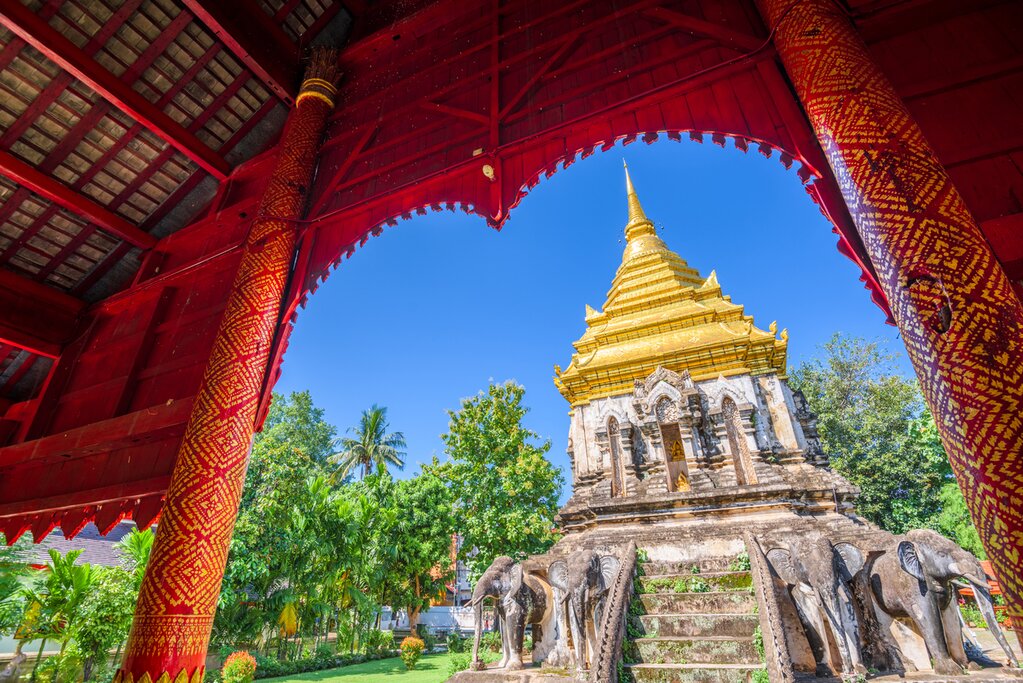
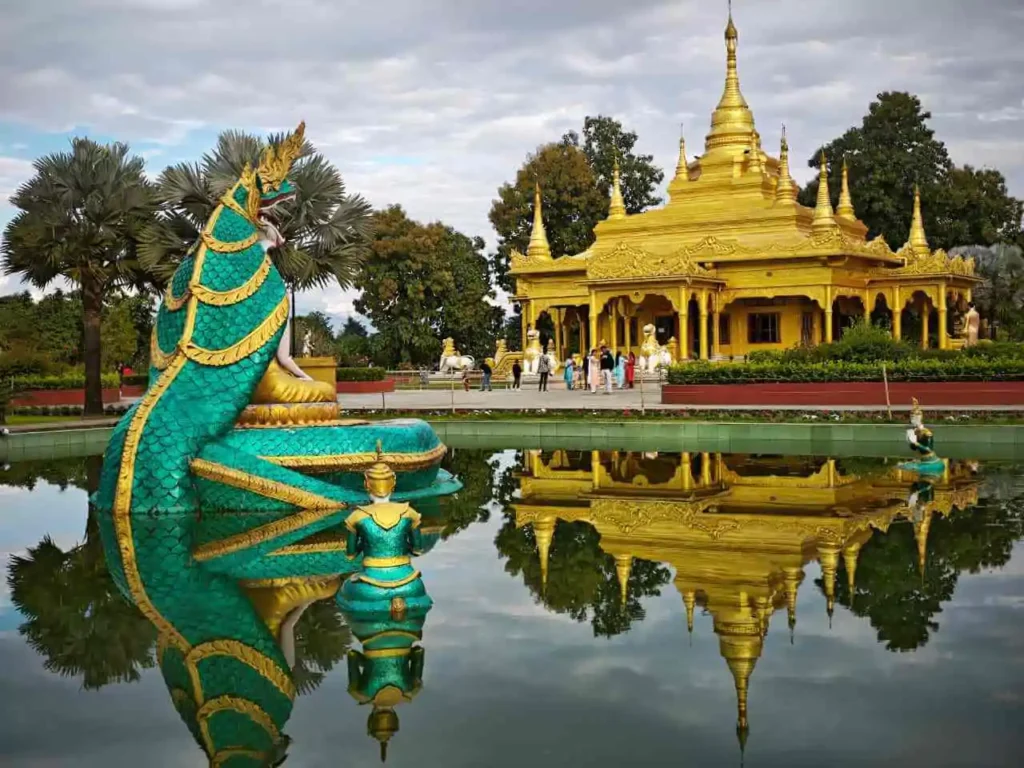
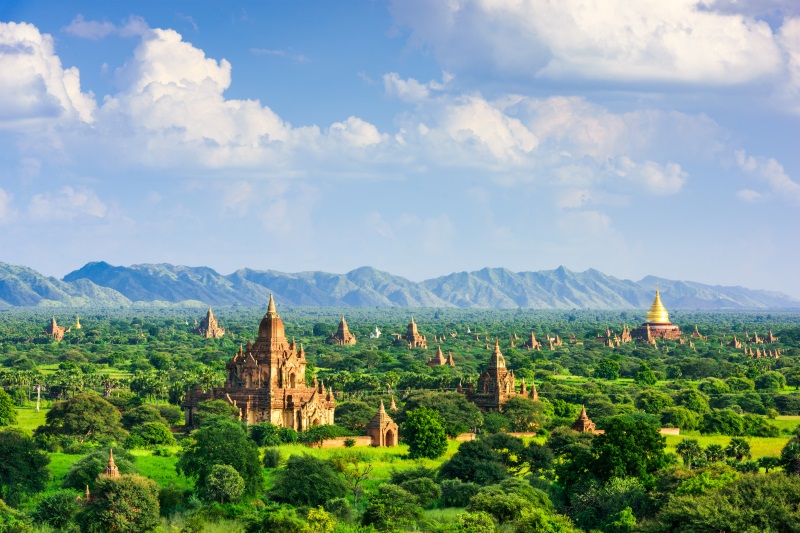
Do’s and Don’ts in the Kingdom of Cambodia: A Guide to Respectful Travel
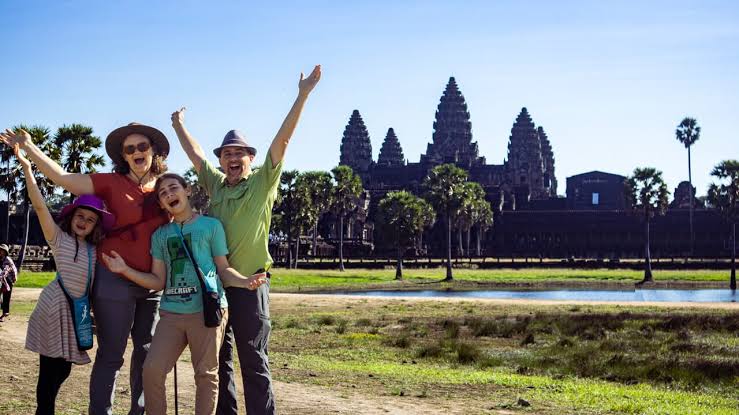
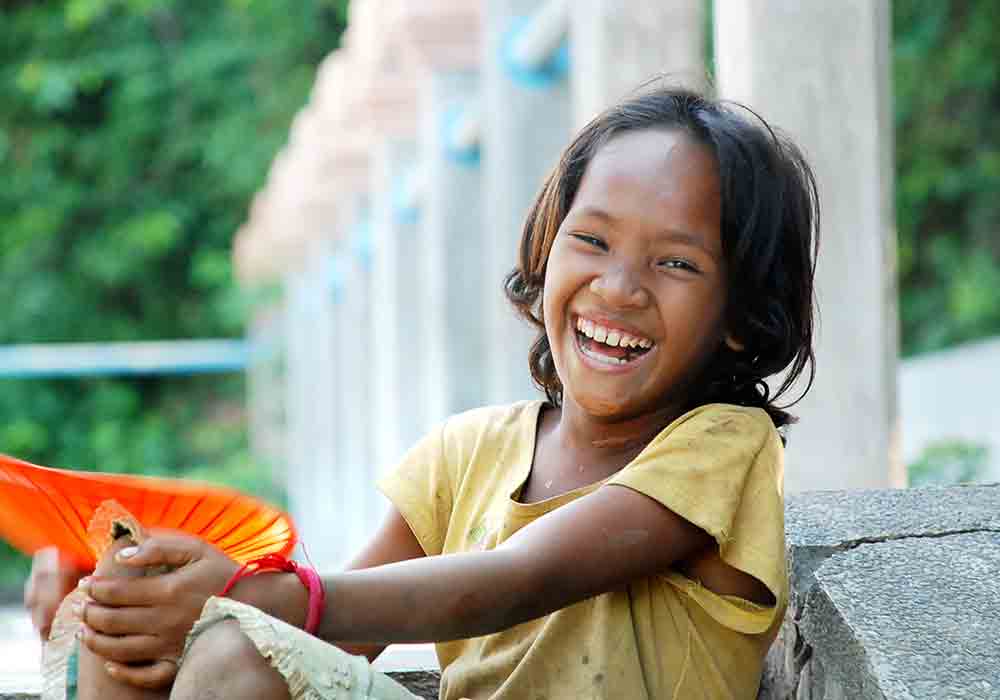
Cambodia is known as the “Kingdom of Wonder” and the “Land of Smiles.” The Cambodian people are famously gentle, forgiving, and hospitable. However, understanding local customs, etiquette, and social norms will greatly enhance your travel experience and show respect for a culture that has endured tremendous hardship with grace and resilience. This guide covers essential do’s and don’ts to help you navigate Cambodia with cultural sensitivity.
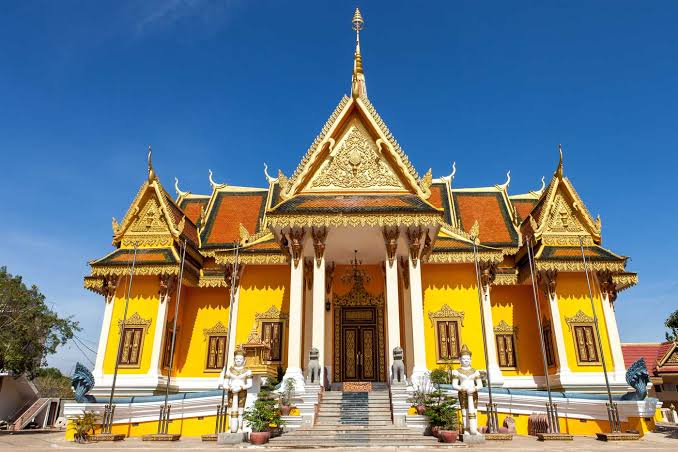
Sacred Do’s & Don’ts: Temples and Pagodas
Do’s
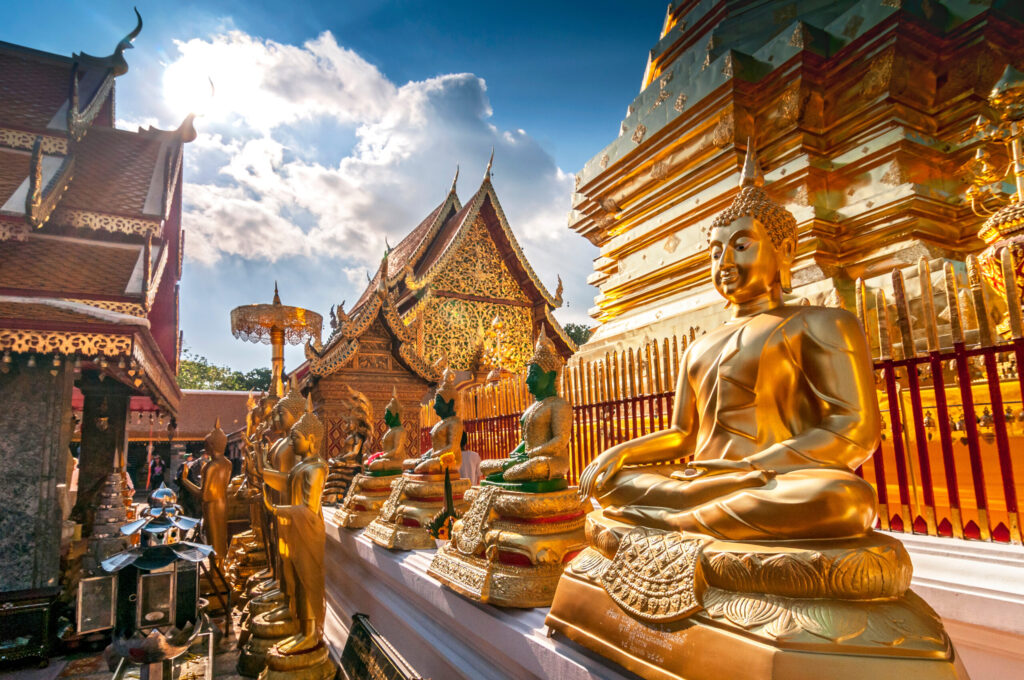
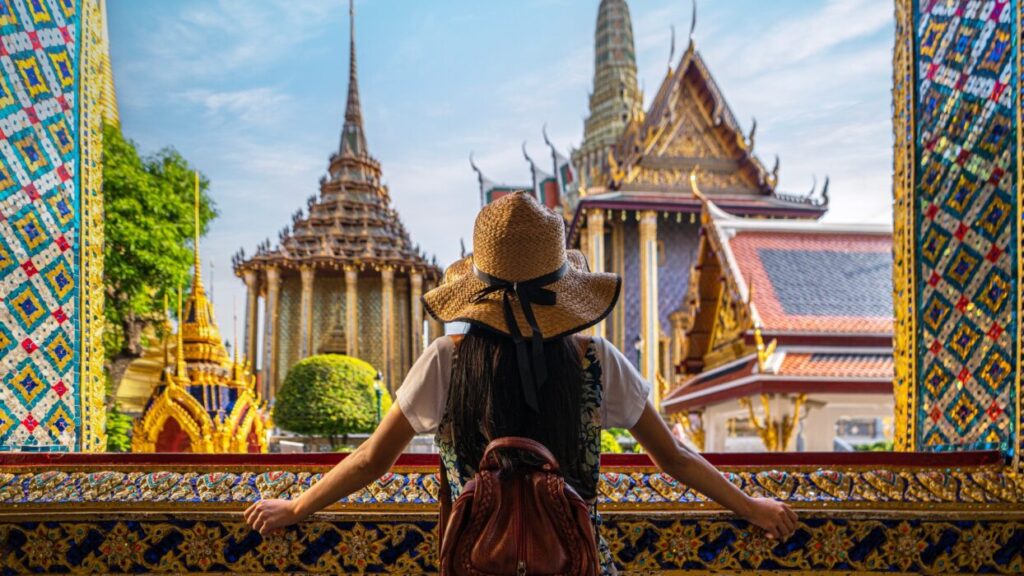
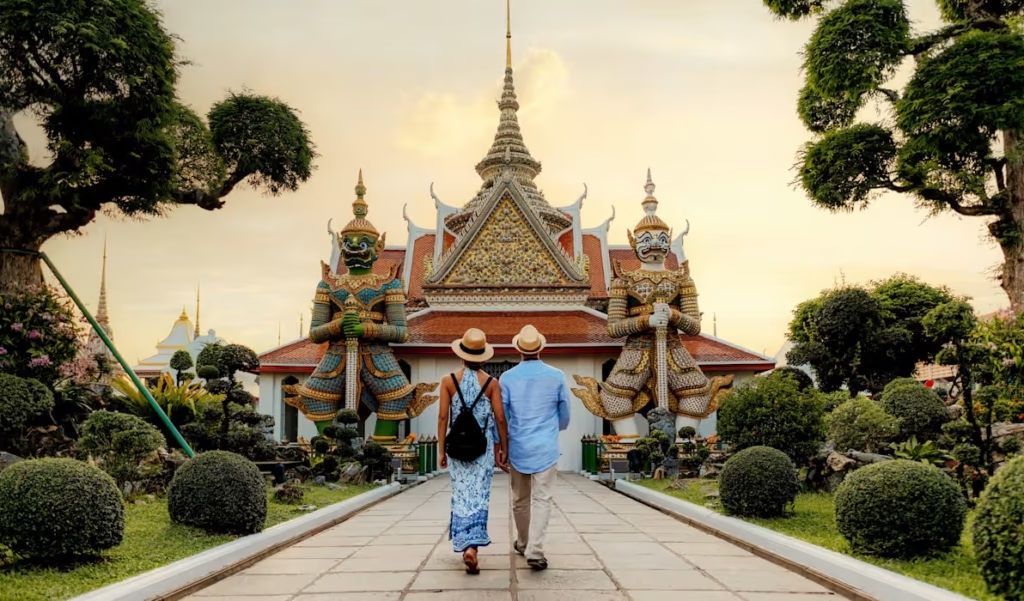
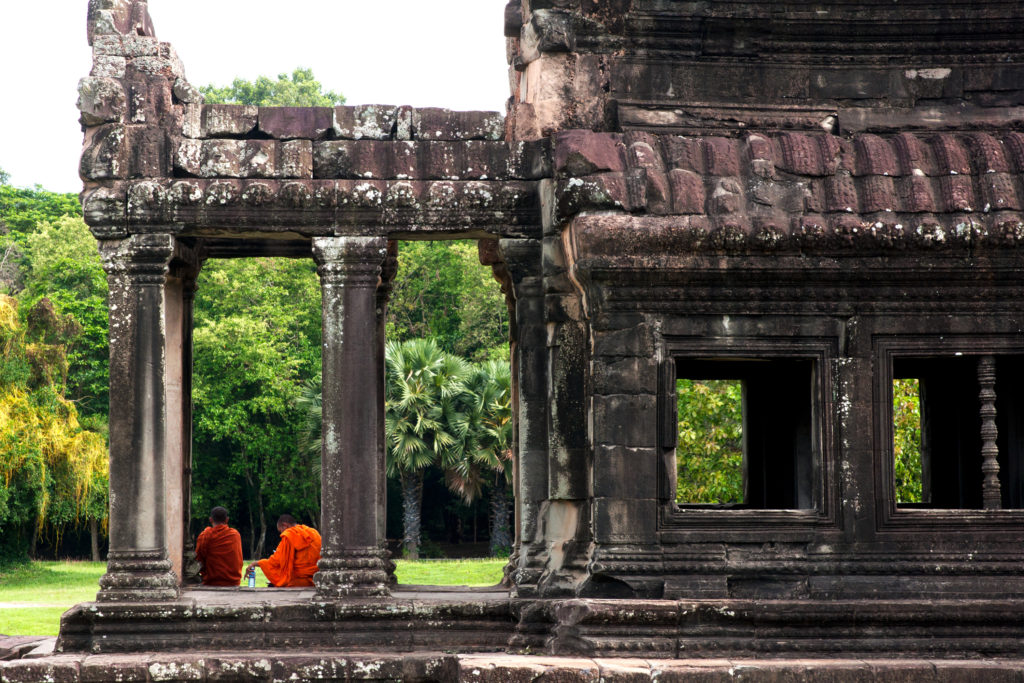
✅ Dress modestly at all temples and pagodas. Cover your shoulders, chest, and knees. Long pants or skirts below the knee and shirts with sleeves are appropriate. Sarongs are often available for rent or loan at major temples.
✅ Remove your shoes before entering any temple building, pagoda, or even some homes. Look for shoe racks or piles of shoes at the entrance.
✅ Walk clockwise around temple stupas and religious monuments when possible. This follows Buddhist circumambulation tradition.
✅ Sit respectfully on the floor if invited. Never point the soles of your feet toward a Buddha image or a monk. Tuck your feet beside or behind you.
✅ Ask permission before photographing monks or people praying. A smile and a nod go a long way.
✅ Keep your voice low inside temple grounds. These are active places of worship, not just tourist sites.
✅ Make a small donation if you wish to take a photo of or with a monk. It is a kind gesture that supports the monastery.
Don’ts
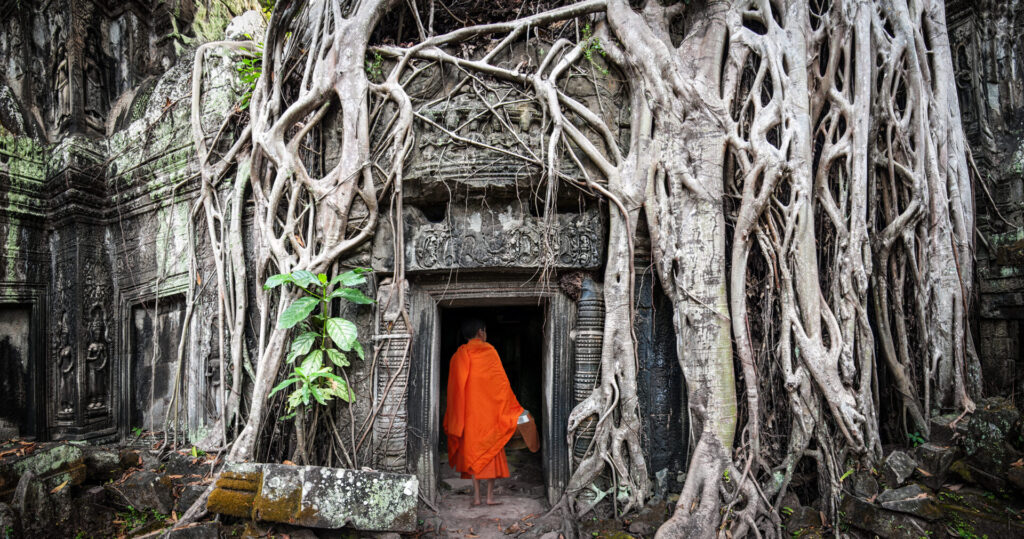
❌ Never touch a monk (especially if you are female). If a woman needs to hand something to a monk, she should place it on a cloth or table for the monk to take.
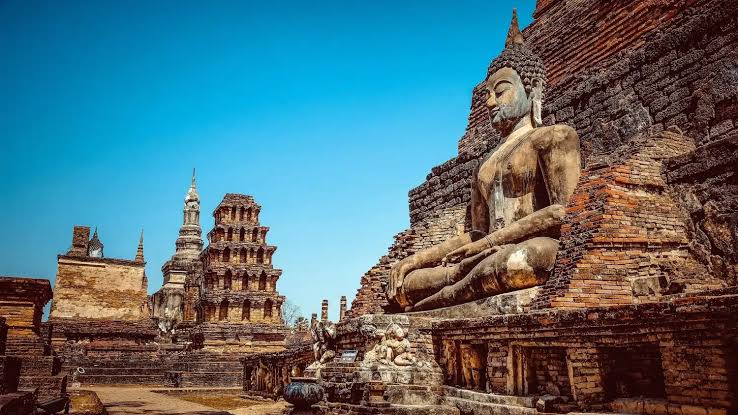
❌ Do not point your feet toward a Buddha image, a monk, or any religious statue. Feet are considered the lowest and dirtiest part of the body.
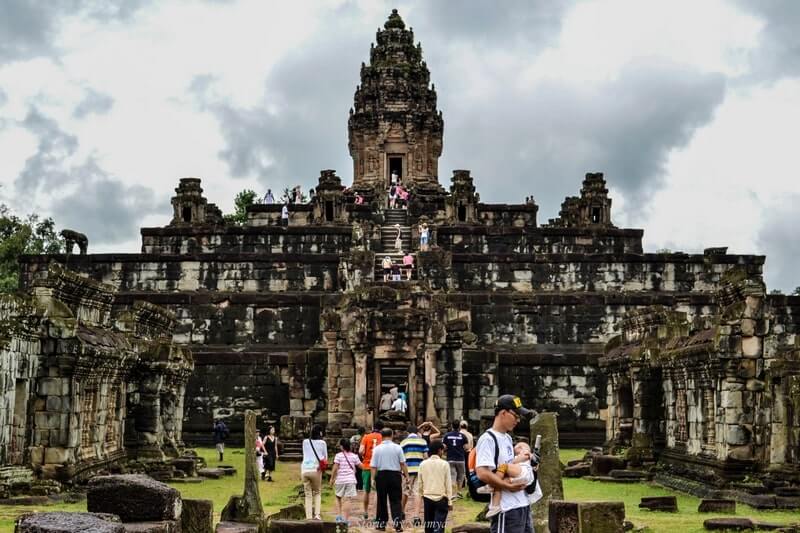
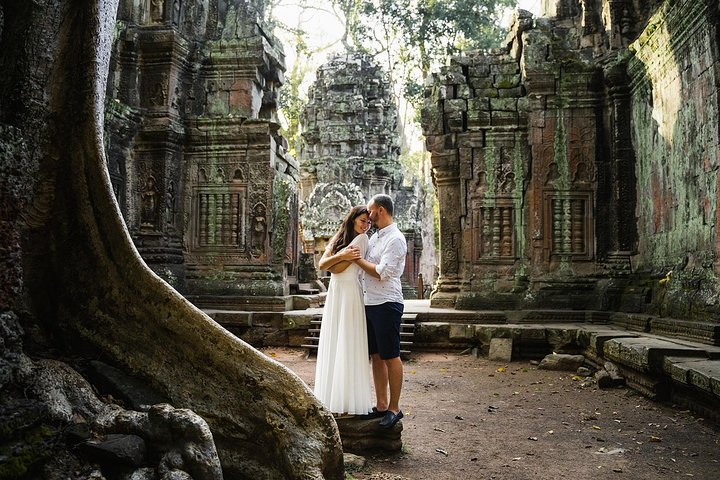
❌ Do not climb on Buddha statues or temple ruins for photos. This is deeply disrespectful and can also be dangerous.
❌ Do not take photos during active prayer or meditation without explicit permission.
❌ Do not wear shoes inside temple buildings, even if you see others doing so (they may be staff or workers).
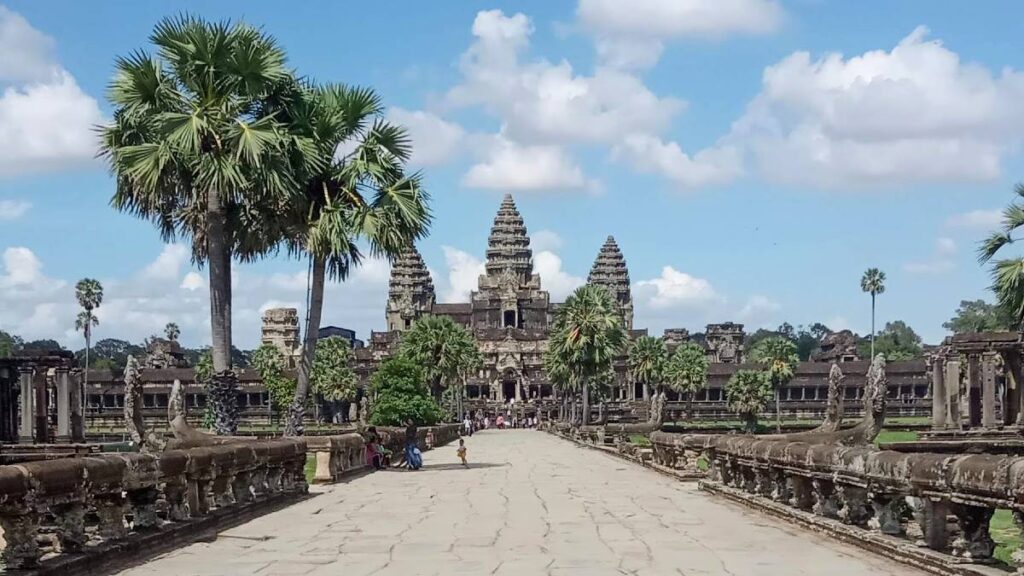
❌ Do not use a selfie stick inside the inner sanctums of major temples like Angkor Wat. It is considered disruptive and is sometimes banned.
Do’s & Don’ts: Meeting People and Social Etiquette
Do’s
✅ Greet with the sampeah – place your palms together in a prayer-like position, bow slightly, and say “Chum reap suor” (hello). The higher the hands and the lower the bow, the greater the respect shown.
✅ Smile warmly. Cambodia is the Land of Smiles for a reason. A smile resolves awkwardness, shows friendliness, and softens almost any interaction.
✅ Use both hands when giving or receiving something from an elder, a monk, or anyone you wish to respect. For casual exchanges with peers, one hand is acceptable.
✅ Address people politely. Use “Lok” (Mr.) or “Lok Srey” (Ms./Mrs.) followed by their first name. Elders are highly respected in Khmer culture.
✅ Remove your hat when entering someone’s home.
✅ Wait to be seated if invited to a Cambodian home. Your host will direct you.
✅ Bring a small gift if invited for a meal – fruit, sweets, or flowers are appreciated. Avoid alcohol unless you know your host drinks.
Don’ts
❌ Do not touch anyone’s head. The head is considered the most sacred part of the body. Even patting a child’s head is considered rude.
❌ Do not point with your finger. Use your whole hand or gesture with your chin. Pointing at people, especially monks or elders, is disrespectful.
❌ Do not raise your voice in anger. Losing your temper is seen as losing face and is deeply shameful in Cambodian culture.
❌ Do not put your arm around someone of the opposite sex in public, unless you are certain it is welcome. Public displays of affection are generally frowned upon.
❌ Do not discuss politics, the Khmer Rouge era, or the Vietnam War unless a Cambodian friend initiates the conversation. These topics can bring up painful memories.
❌ Do not hug or kiss as a greeting. The sampeah is always appropriate.
Do’s & Don’ts: Eating and Dining
Do’s
✅ Wait to be invited to start eating, especially in a home setting or with elders.
✅ Use your right hand for eating and passing dishes when eating traditional Khmer food with your hands. The left hand is considered unclean (used for bathroom purposes).
✅ Try everything offered. Refusing food can be seen as rejecting hospitality. If you have dietary restrictions, explain politely in advance.
✅ Leave a small amount of food on your plate when finished to show that you are satisfied. An empty plate signals you are still hungry.
✅ Use a spoon and fork as the standard utensils. The spoon is held in the right hand and used to eat; the fork in the left pushes food onto the spoon. Knives are rarely used.
✅ Say “Or kun” (awkun) – thank you – after the meal.
Don’ts
❌ Do not stick your chopsticks upright in a bowl of rice. This resembles incense sticks at a funeral and is considered a death omen.
❌ Do not waste food. Cambodia has a history of famine and poverty; wasting food is seen as deeply insensitive.
❌ Do not blow your nose at the dining table. Excuse yourself to the restroom.
❌ Do not take the last piece from a shared dish unless you offer it to others first.
❌ Do not drink tap water. It is not safe for foreigners. Stick to bottled or filtered water.
Do’s & Don’ts: Money, Bargaining, and Tipping
Do’s
✅ Bargain politely at markets and with tuk-tuk drivers. It is expected, but always with a smile and without aggression. A good-natured “bargaining dance” is part of the experience.
✅ Understand that bargaining is for markets and transport, not for fixed-price shops or restaurants.
✅ Tip for good service. While not mandatory, tipping is increasingly appreciated. Leave small change (1,000–4,000 Riel or 0.25–0.25–1 USD) at restaurants. Tuk-tuk drivers appreciate $1–2 for longer trips.
✅ Use crisp, clean USD bills. Torn, wrinkled, or marked US dollars may be rejected.
✅ Keep small bills for markets, street food, and tuk-tuks. Vendors often cannot break large notes.
Don’ts
❌ Do not bargain aggressively over very small amounts. Saving an extra 50 cents may not be worth the discomfort it causes.
❌ Do not flash large amounts of cash in public. This invites unwanted attention and potential theft.
❌ Do not give money to begging children. It encourages school absence and can perpetuate a cycle of dependency. Instead, donate to reputable local charities or buy from older children selling postcards or fruit.
❌ Do not expect change in Riel if you pay with USD. Vendors often give change in a mix of both currencies.
❌ Do not use damaged Riel notes. Like USD, torn or excessively worn Khmer Riel notes may be refused.
Do’s & Don’ts: Photography
Do’s
✅ Ask permission before photographing people, especially monks, elders, and anyone in rural villages.
✅ Offer a small payment or purchase something from a vendor before taking their photo. A dollar or 2,000–4,000 Riel is appropriate.
✅ Show your photos to people after taking them. Cambodians are often delighted to see themselves on a camera screen.
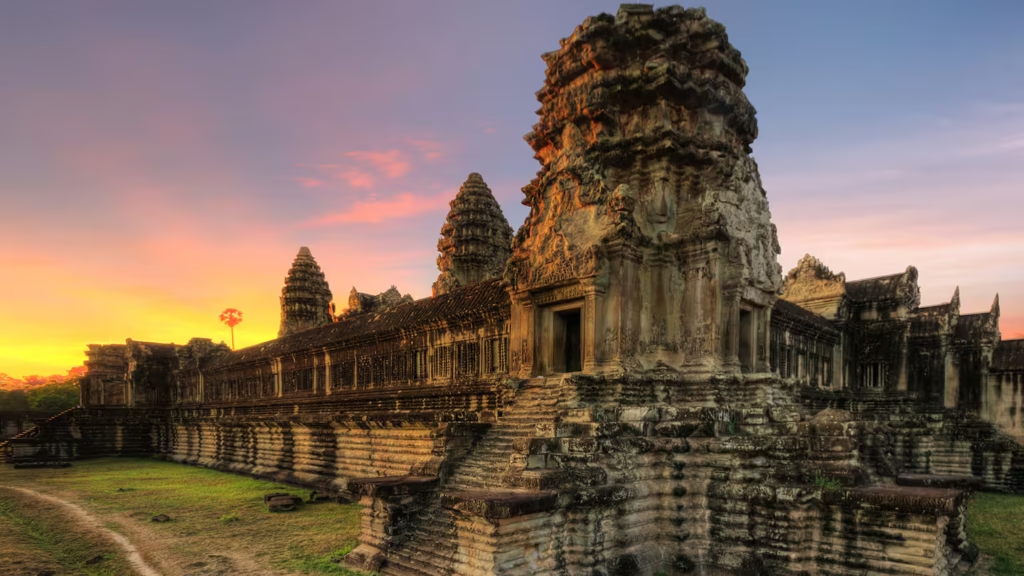
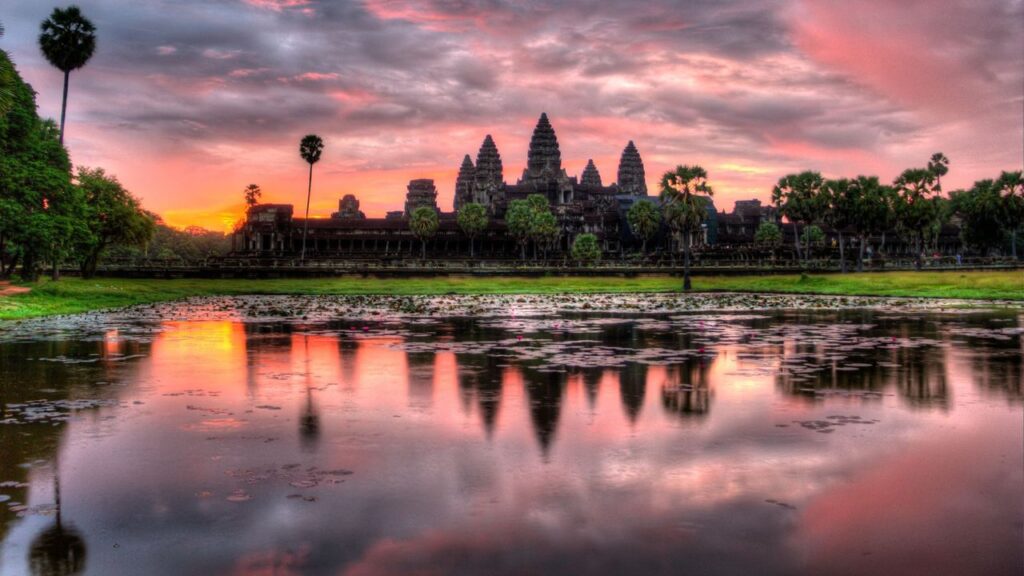
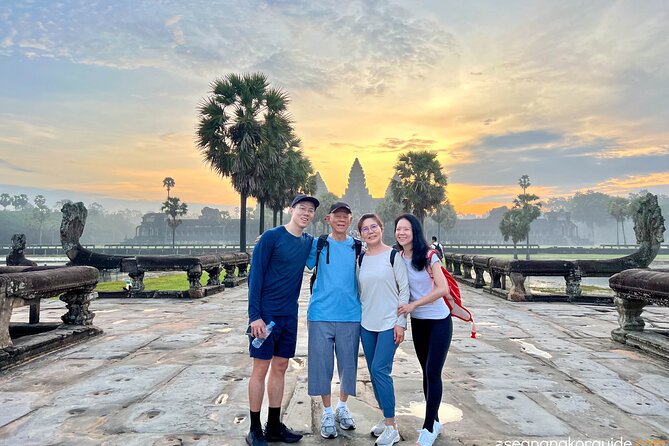
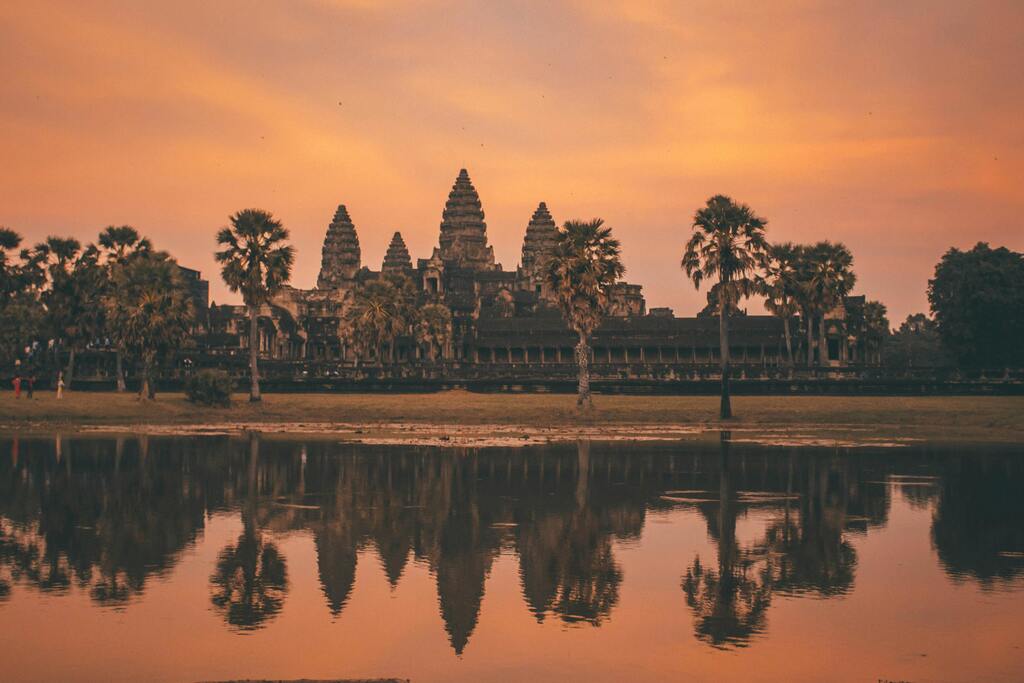
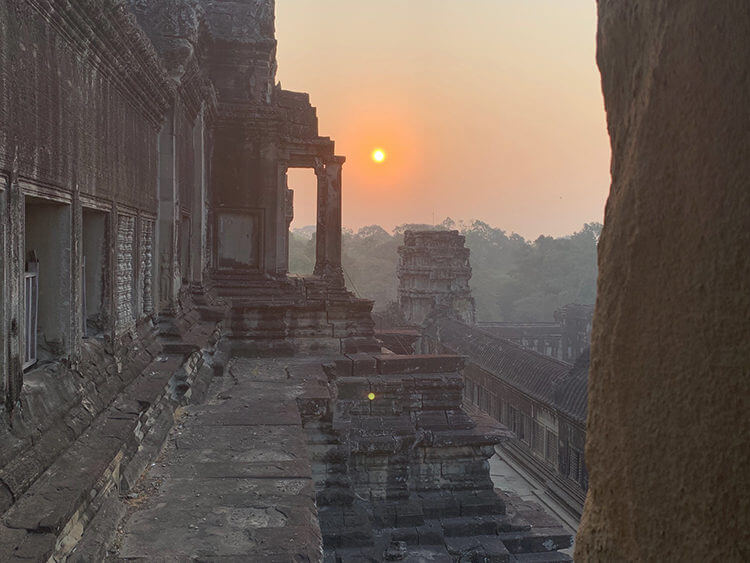
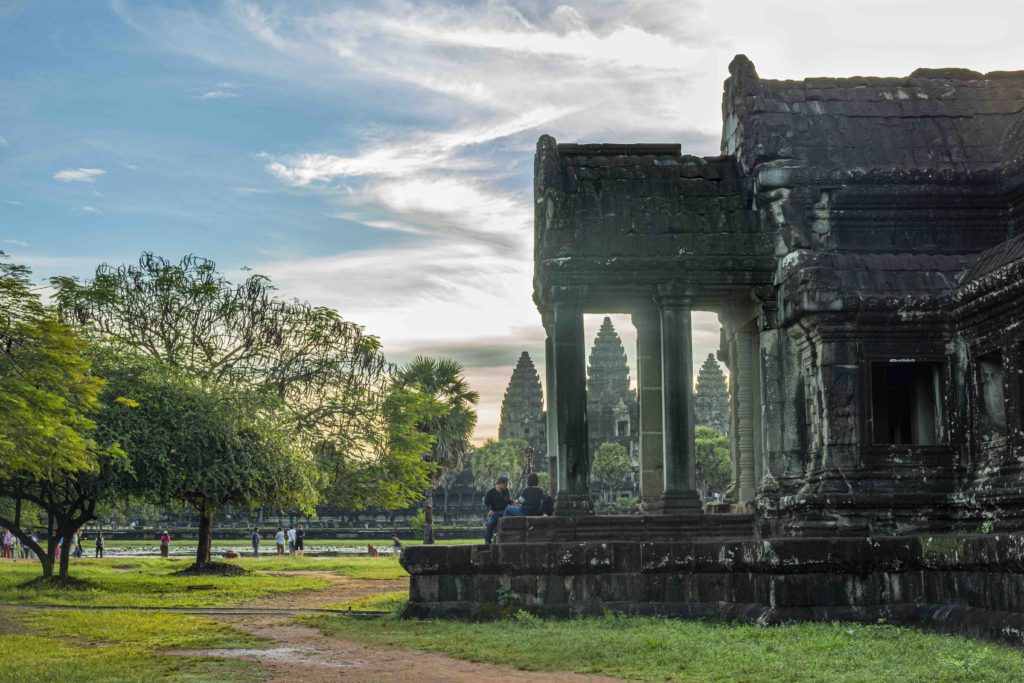
✅ Take sunrise photos at Angkor Wat – it is a world-famous experience. But be respectful of others also enjoying the moment.
Don’ts
❌ Do not photograph military installations, airports, police stations, or government buildings. This is illegal and can result in detention.
❌ Do not use flash inside temple buildings, especially during prayer.
❌ Do not pose provocatively with Buddha images or temple ruins.
❌ Do not photograph the interior of the Killing Fields memorial stupa at Choeung Ek. The stacked skulls are displayed for remembrance, not as a photo opportunity.
❌ Do not fly a drone over Angkor Wat or other major temples without a special permit. Drones are frequently confiscated and fines imposed.
Do’s & Don’ts: Dress Code
Do’s
✅ Dress modestly outside of beach areas. While Cambodia is hot, revealing clothing is considered inappropriate in towns, villages, and temples.
✅ Wear breathable fabrics like cotton or linen. Lightweight long pants and long sleeves actually protect you from sun and mosquitoes.
✅ Bring a sarong or scarf – it serves as a temple cover-up, sun shade, and dust mask all in one.
✅ Dress more formally when visiting government offices or upscale restaurants.
Don’ts
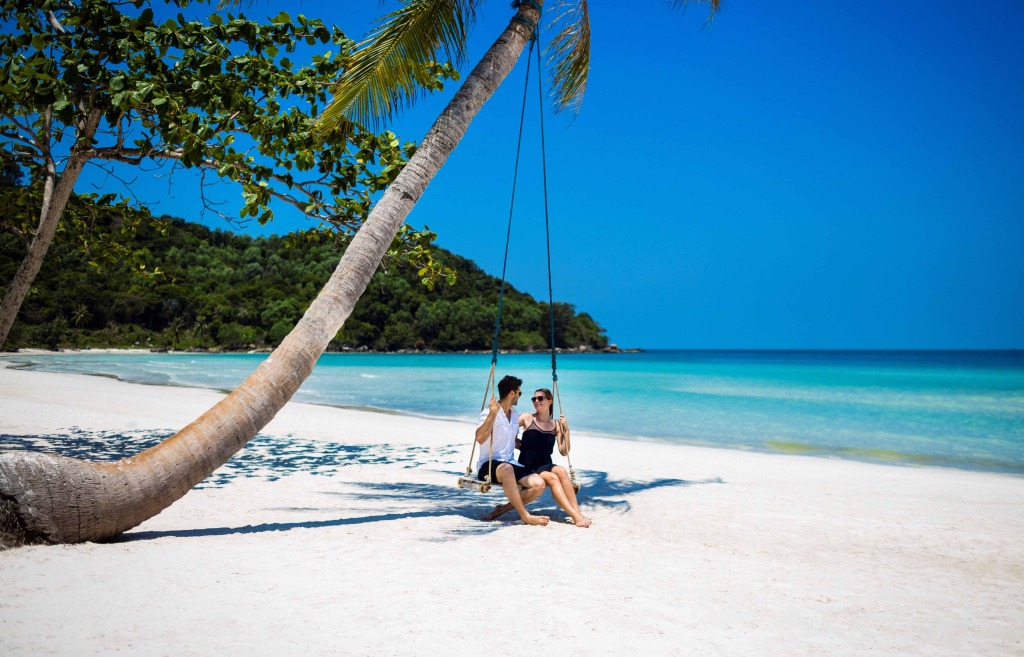
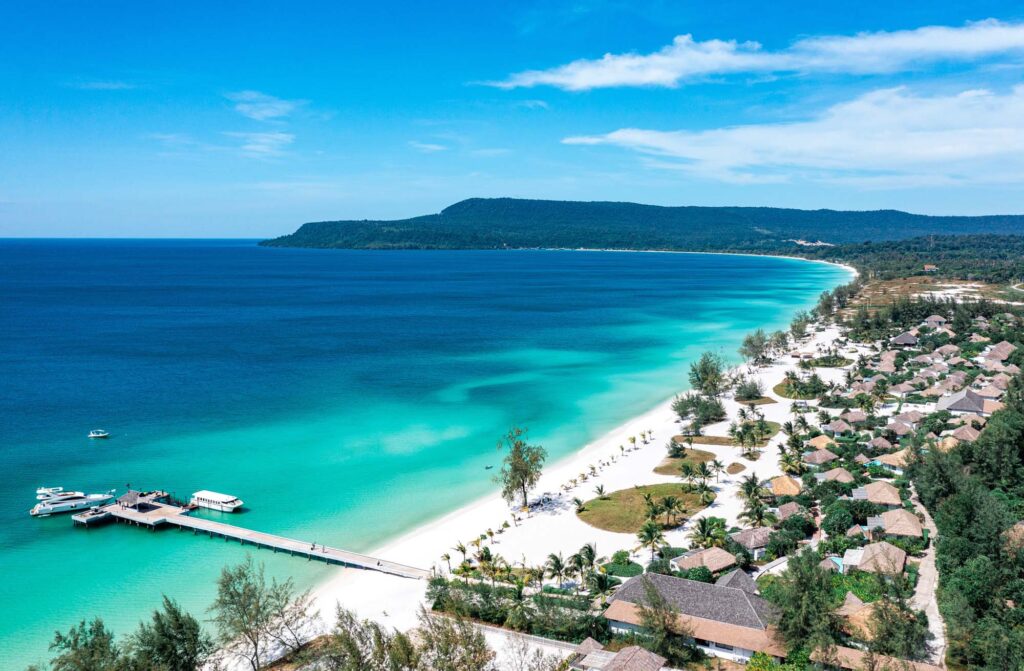
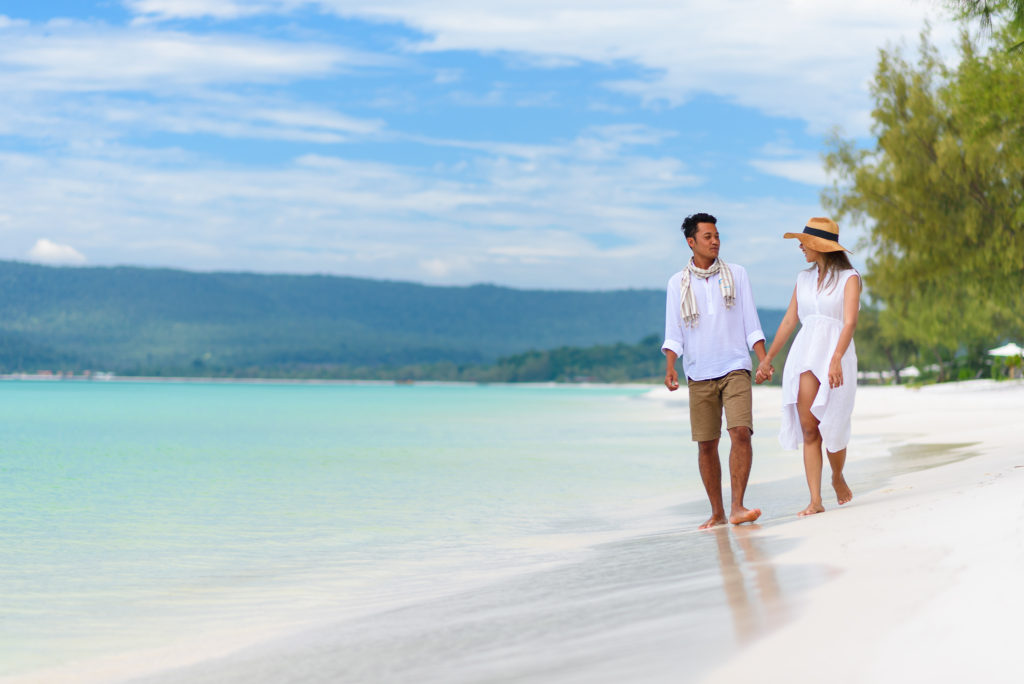
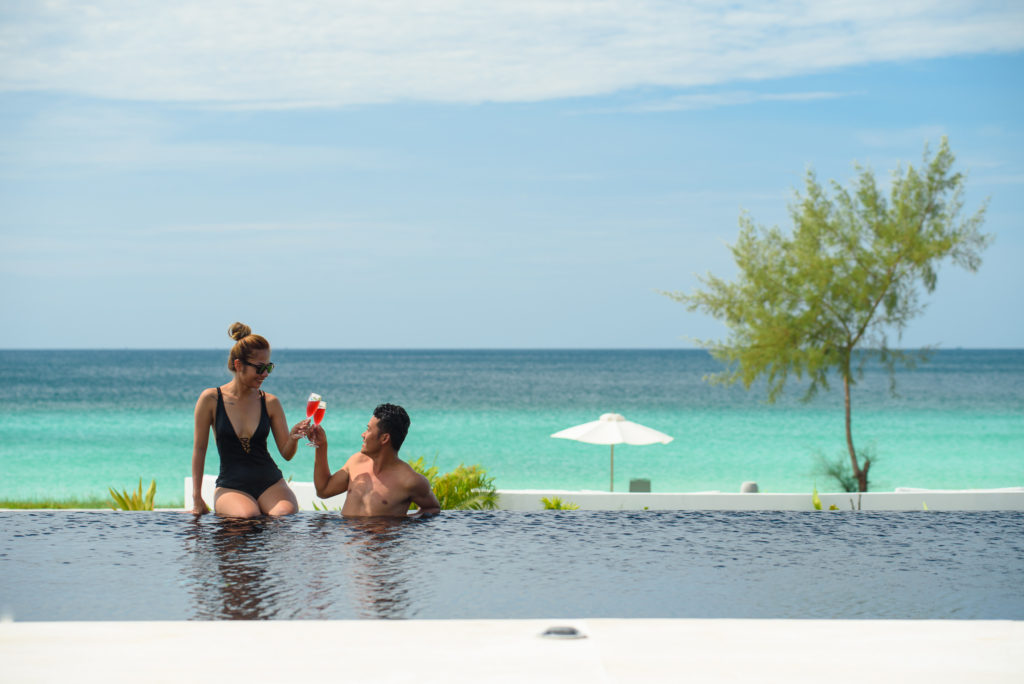
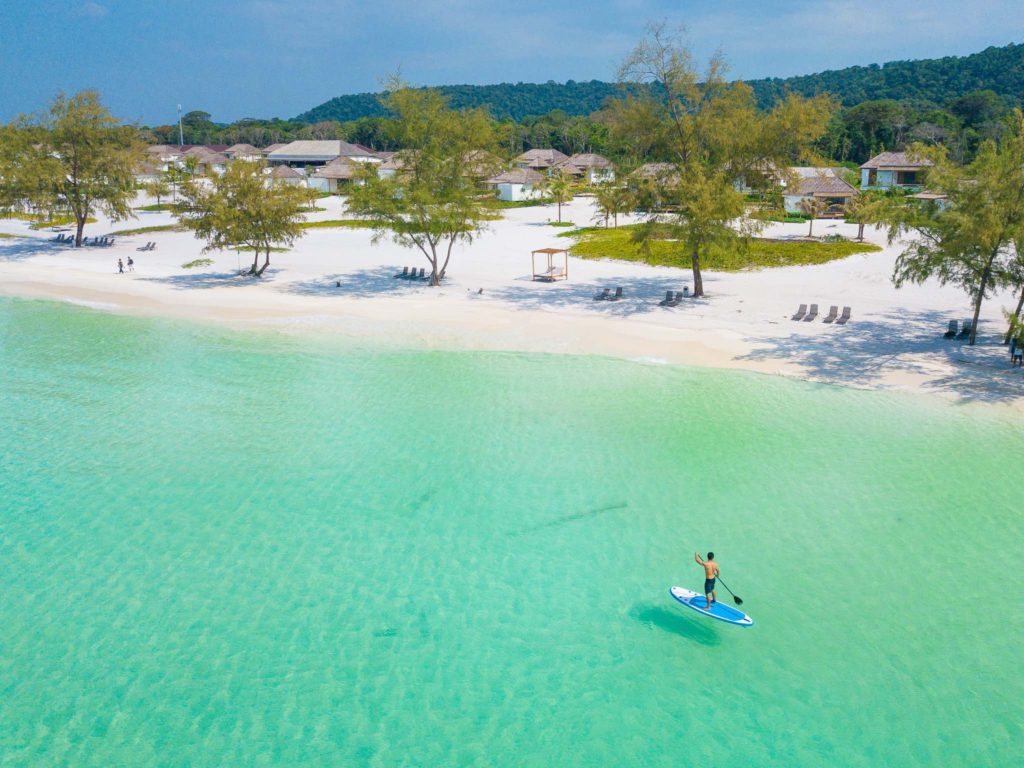
❌ Do not wear bikinis or swim trunks away from the pool or beach. Walking through town in swimwear is offensive to locals.
❌ Do not wear sleeveless shirts in temples or pagodas, even for men.
❌ Do not wear shorts above the knee at any religious site.
❌ Do not wear shoes with dark soles inside wooden temples or homes – they can leave marks.
Do’s & Don’ts: Transportation and Street Safety
Do’s
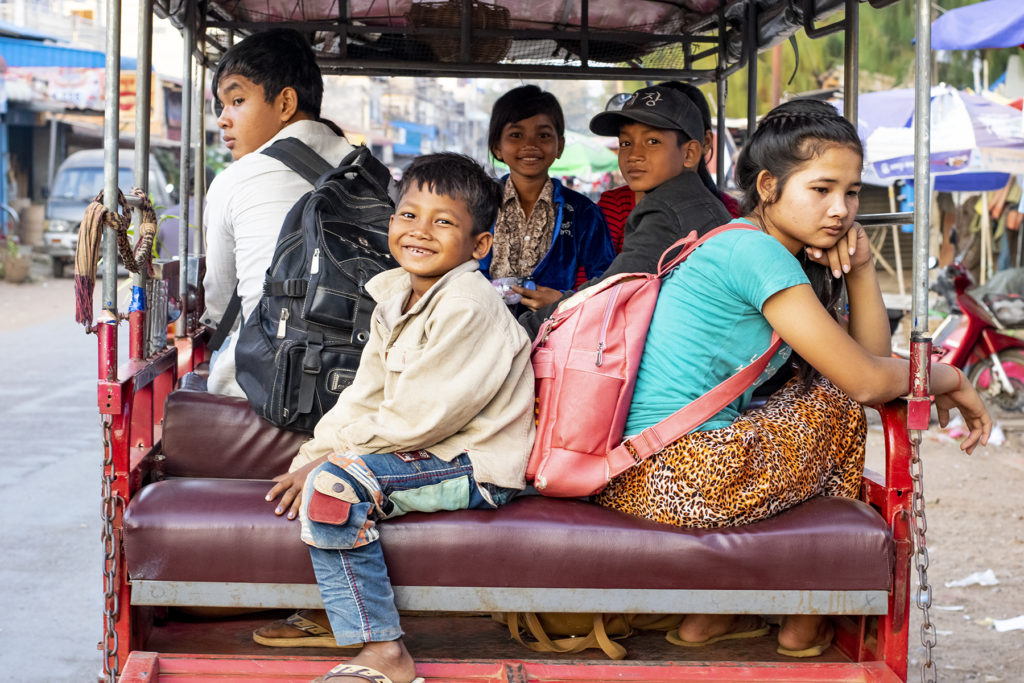
✅ Agree on a price with tuk-tuk drivers before departing. Write it down if there is a language barrier.
✅ Wear a helmet if riding a scooter or motorbike. It is the law and potentially life-saving.
✅ Carry your passport (or a certified copy) with you. Police may request identification.
✅ Use ride-hailing apps like Grab or PassApp for transparent pricing and safety.
✅ Cross streets carefully – traffic rules are more suggestions than laws. Walk steadily and predictably; drivers will go around you.
Don’ts
❌ Do not drive a motorbike without a valid Cambodian driver’s license or an International Driver’s Permit (IDP). Police checkpoints are common, and fines are steep.
❌ Do not hand your passport to a motorbike rental shop as a deposit. Leave a cash deposit or a photocopy instead.
❌ Do not leave bags or valuables visible in a tuk-tuk or on a motorbike. Bag snatching occurs, especially in Phnom Penh.
❌ Do not argue aggressively with police if stopped. Stay calm, polite, and compliant.
❌ Do not ride in overcrowded boats or minibuses, especially during rainy season.
Do’s & Don’ts: Health and Safety
Do’s
✅ Drink only bottled or filtered water. Cambodian tap water is not potable for foreigners.
✅ Use mosquito repellent, especially at dawn and dusk, to protect against dengue fever.
✅ Wash hands frequently or use hand sanitizer. Street food is generally safe, but hygiene standards vary.
✅ Carry oral rehydration salts for hot days. Dehydration and heat exhaustion are real risks.
✅ Purchase travel insurance that covers medical evacuation.
Don’ts
❌ Do not eat raw freshwater fish – it may contain liver flukes (parasites) common in the Mekong region.
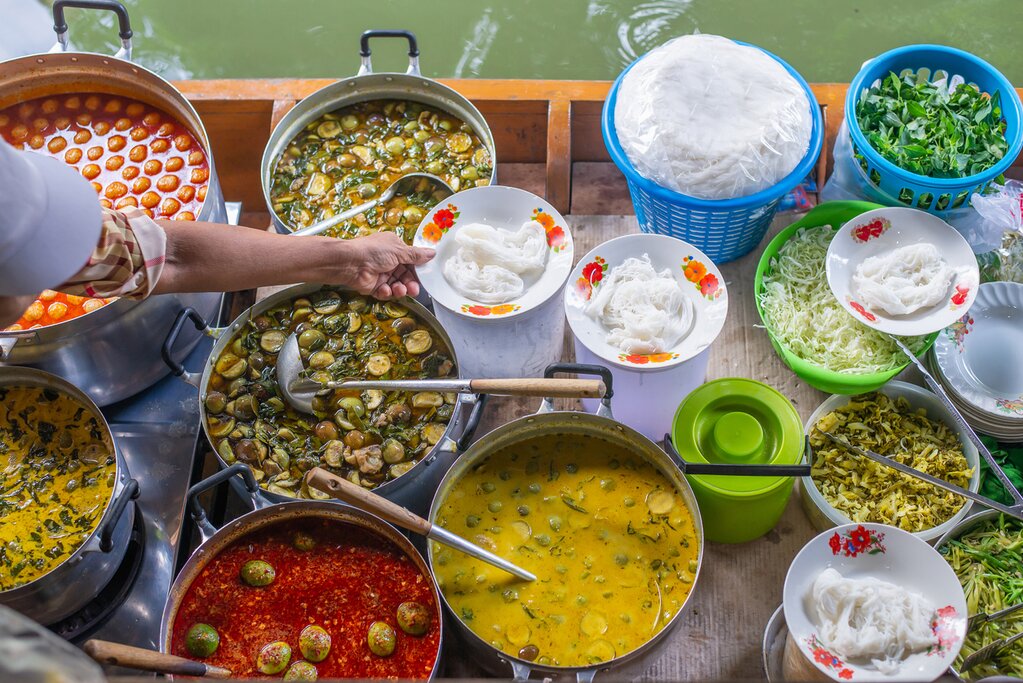
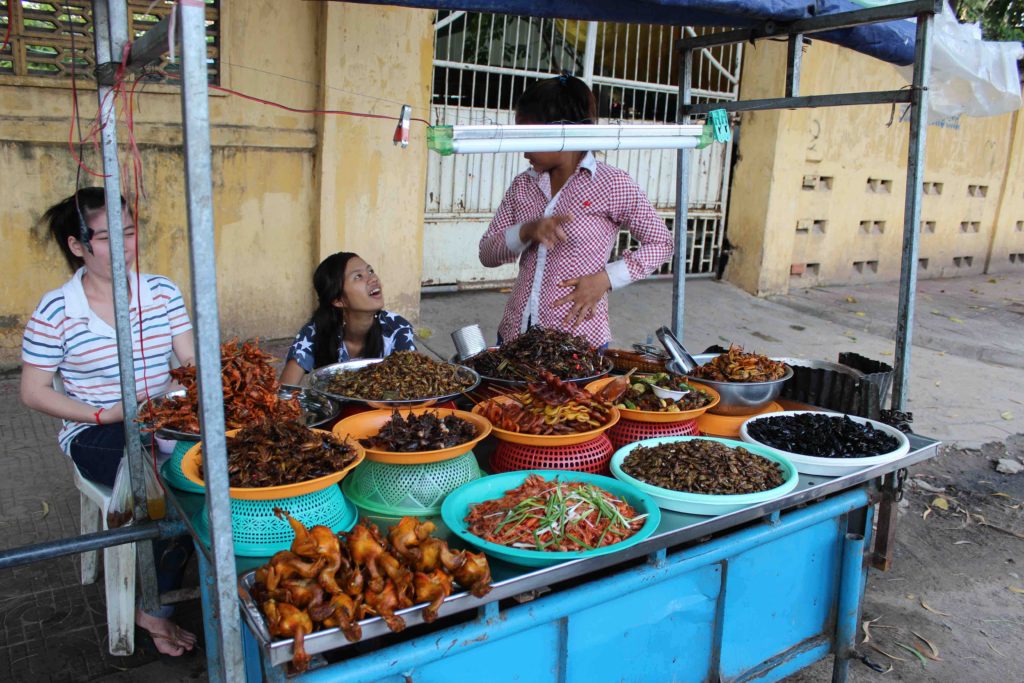
❌ Do not assume street food is unsafe – some of Cambodia’s best meals come from carts. Use your judgment: choose busy stalls with high turnover.
❌ Do not touch dogs or monkeys. Stray animals can carry rabies. If bitten, seek immediate medical attention.
❌ Do not ignore stomach issues – visit a pharmacy for appropriate medication. Cambodian pharmacists are generally knowledgeable.
❌ Do not buy or use drugs – penalties are severe, including lengthy prison sentences or deportation. Even marijuana is illegal.
Do’s & Don’ts: Environmental and Cultural Respect
Do’s
✅ Pack out what you pack in – especially plastic water bottles. Cambodia struggles with waste management.
✅ Support local businesses – buy from village vendors, eat at family restaurants, hire local guides.
✅ Learn a few Khmer words – “Or kun” (thank you), “Som tos” (sorry/excuse me), “Chum reap lear” (goodbye). Locals genuinely appreciate the effort.
✅ Visit responsibly – choose ethical elephant sanctuaries (no riding), avoid establishments that exploit animals.
✅ Be patient – “Cambodia time” is real. Things move slowly. Relax and embrace it.
Don’ts
❌ Do not touch or move bricks, carvings, or artifacts at temple ruins. Leave everything as you found it.
❌ Do not give candy or pens to children directly. It encourages begging. Instead, donate school supplies to a local organization.
❌ Do not feed wild animals, including monkeys at Angkor or elsewhere. It alters their natural behavior and makes them aggressive.
❌ Do not litter. There are few public trash cans, so carry your garbage until you find one.
❌ Do not support orphanage tourism. Many “orphanages” are not genuine; children are sometimes housed there to attract donations. Volunteer with reputable organizations instead.
Quick Reference Summary Table
| Category |
Do |
Don’t |
| Temples |
Dress modestly, remove shoes, walk clockwise |
Touch Buddha statues, point feet, use flash |
| Greetings |
Sampeah, smile, use both hands for elders |
Touch head, point finger, hug in public |
| Dining |
Use right hand, leave small amount of food |
Stick chopsticks upright, waste food |
| Money |
Bargain politely, tip for good service |
Flash cash, give money to begging children |
| Photos |
Ask permission, offer small payment |
Photograph military sites, fly drones at temples |
| Dress |
Cover shoulders & knees, wear breathable fabrics |
Wear swimwear away from beach/pool |
| Transport |
Agree price first, wear helmet, use ride apps |
Drive without license, leave valuables visible |
| Health |
Drink bottled water, use repellent, get insurance |
Eat raw freshwater fish, touch stray animals |
| Environment |
Support local businesses, learn Khmer words |
Litter, feed wild animals, touch artifacts |
Final Golden Rule
The Cambodian people have endured genocide, civil war, and extreme poverty within living memory. Yet they remain among the warmest, most forgiving, and most hospitable people on earth. When in doubt: smile, be patient, be kind, and ask yourself if your action would honor a culture that has already given so much.
Most Cambodians will forgive honest mistakes made by visitors. But making an effort to understand and respect local customs transforms a good trip into an unforgettable one—for both you and the people you meet along the way.