“The Land of a Million Elephants” & “The Battery of Southeast Asia”
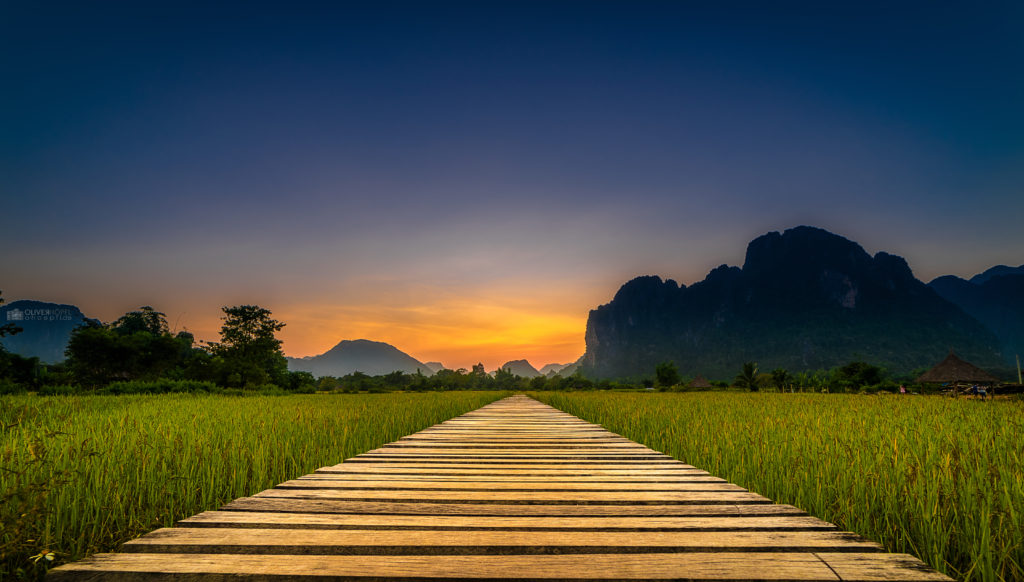
Laos, officially the Lao People’s Democratic Republic, is a landlocked country in the heart of Southeast Asia. It is bordered by China to the north, Vietnam to the east, Cambodia to the south, Thailand to the west, and Myanmar to the northwest. Covering an area of approximately 236,800 square kilometers, the country is largely mountainous and forested, with the Mekong River flowing along its western border and providing vital lowlands for agriculture.
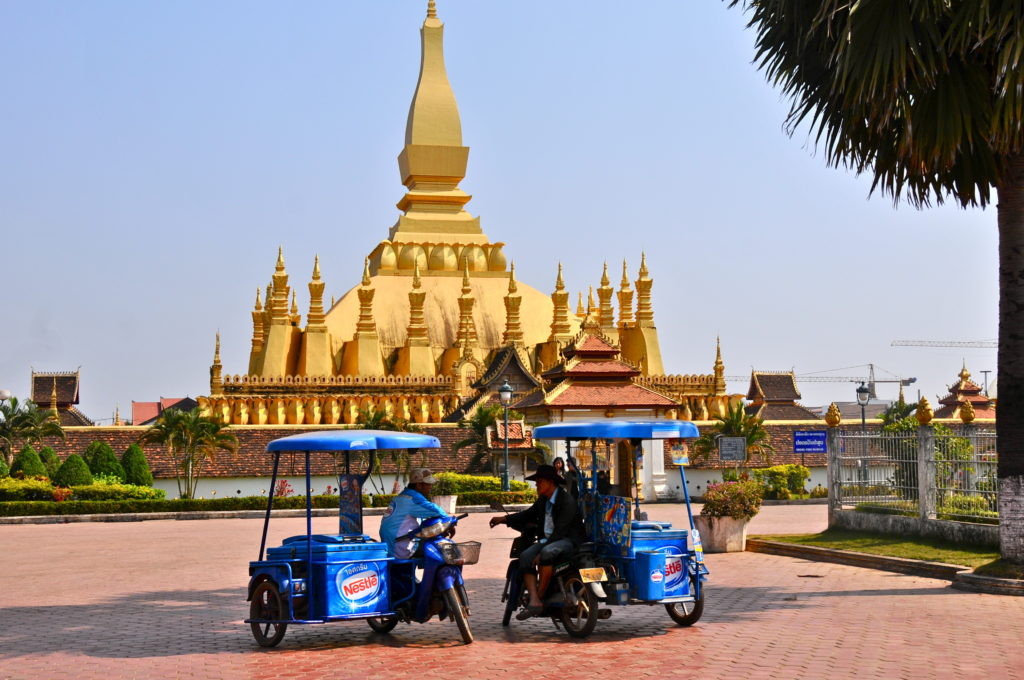
The population is ethnically diverse, with the Lao-Lum (lowland Lao) making up the majority, alongside various highland and midland groups including Mon-Khmer, Hmong, and Tai communities. The official language is Lao, and the predominant religion is Theravada Buddhism, which is deeply woven into the country’s cultural and social fabric.
1. “The Land of a Million Elephants”
This is the country’s historic nickname, derived from its ancient name, Lan Xang (translated directly as “Million Elephants”). Founded in 1353 by King Fa Ngum, the Kingdom of Lan Xang was one of the largest kingdoms in Southeast Asia.
At the time, massive herds of wild elephants roamed the country’s vast forests and valleys. Elephants were revered as sacred animals, symbols of royal power, and crucial assets for both transport and military defense. While wild elephant populations have tragically dwindled to less than a thousand today, the name remains a proud symbol of Lao heritage.
2. “The Battery of Southeast Asia”
This is Laos’s modern, economic nickname. Because the country is highly mountainous and crisscrossed by the Mekong River and its tributaries, it possesses immense hydroelectric potential.
Over the last few decades, the Lao government has built dozens of massive dams with the explicit strategy of exporting electricity to its power-hungry, fast-developing neighbors—chiefly Thailand, Vietnam, and Cambodia.
🏔️ Geography and Landscape
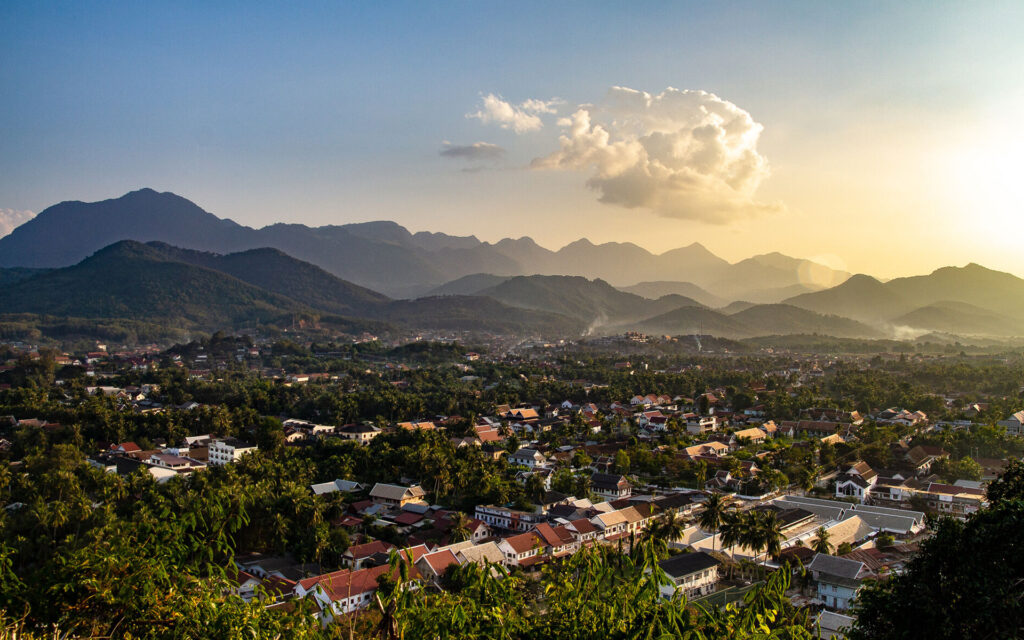
Laos is defined by its rugged terrain. Roughly 70% of the country consists of mountains and thick plateaus, heavily isolating many rural communities.
World Bank
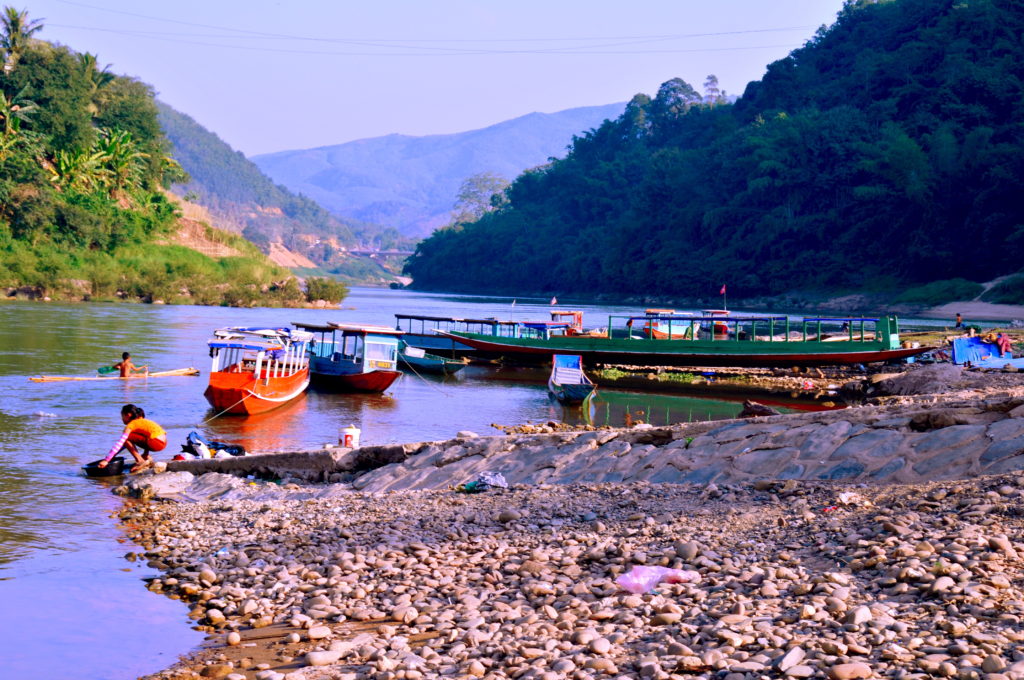
The defining geographic feature is the Mekong River, which flows down from China and forms most of Laos’s western border with Thailand. The Mekong is the lifeblood of the country—serving as a vital transport highway, a primary source of fish and irrigation, and the foundation for the nation’s massive hydroelectric ambitions.
📜 History at a Glance
The history of Laos is marked by powerful kingdoms, colonial rule, and conflict.
- Lan Xang Kingdom: The first unified Lao state, the Lan Xang (“Million Elephants”) kingdom, was founded in 1353 by King Fa Ngum. It was a powerful entity for centuries before dividing into rival kingdoms of Luang Prabang, Vientiane, and Champasak in the 18th century.
- Colonial Era: These kingdoms gradually fell under Siamese (Thai) dominance before being incorporated into French Indochina in 1893. Laos remained under French rule until the Japanese occupation during World War II.
- Independence and Civil War: After the war, Laos sought full independence, which it gained in 1954 following the Geneva Conference. However, the country soon became embroiled in a civil war and heavily drawn into the Vietnam War. The U.S. conducted a massive, secret bombing campaign on Lao territory to disrupt the Ho Chi Minh Trail, making Laos the most bombed country per capita in history.
- Modern Laos: In 1975, the communist Pathet Lao movement, backed by North Vietnam, took full control, abolishing the monarchy and establishing the Lao People’s Democratic Republic (Lao PDR) that exists today.
👑 Government & Politics Today
Laos is a communist state, where the Lao People’s Revolutionary Party (LPRP) is the sole political party. The head of state is the President (currently Thongloun Sisoulith), and the head of government is the Prime Minister (currently Sonexay Siphandone). The country’s National Assembly is the legislative branch. While the government has implemented economic reforms, the political system remains authoritarian, with restrictions on freedoms of expression and the press.
📈 Economy and the “Land-Linked” Strategy
Historically relying on subsistence agriculture, Laos has shifted its economic focus toward natural resource exports and infrastructure development.
- The “Battery of Southeast Asia”:Laos has heavily invested in damming the Mekong and its tributaries to export electricity to fast-growing neighbors like Thailand and Vietnam.
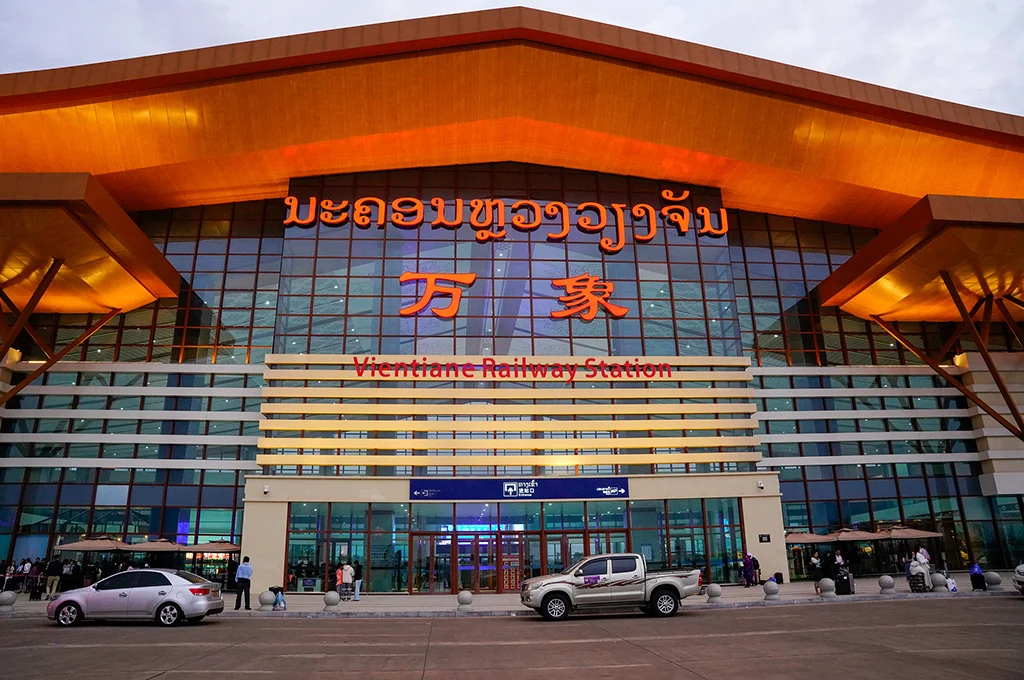
- The China-Laos Railway:Opened recently, this high-speed rail line connects Vientiane directly to Kunming, China. It is part of a national strategy to pivot from a landlocked obstacle to a land-linked regional logistics hub.
World Bank
- Current Economic Climate:While sectors like tourism and power generation drive moderate economic growth (projected around 4.0% for 2026), the country struggles with heavy external public debt, high inflation, and currency depreciation.
⛩️ Culture and Society
Laos is incredibly diverse, with the government officially recognizing 49 distinct ethnic groups. These are broadly categorized by the altitudes at which they historically lived: the Lao Loum (lowland dwellers, making up over 50% of the population), the Lao Theung (mid-slope dwellers, primarily Khmou), and the Lao Soung (highland dwellers, notably the Hmong).
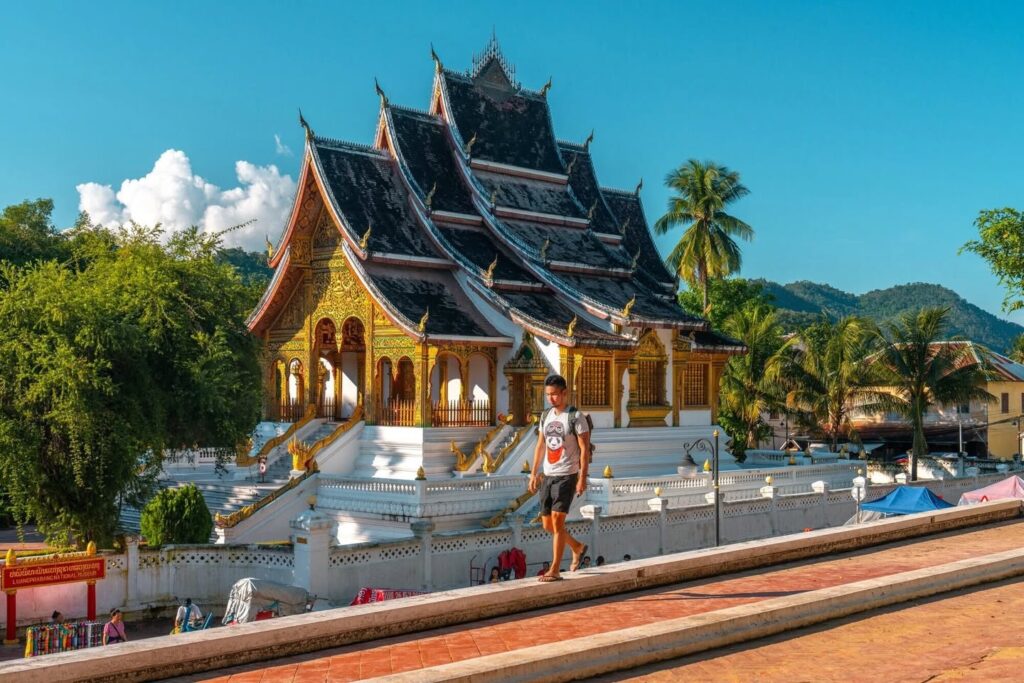
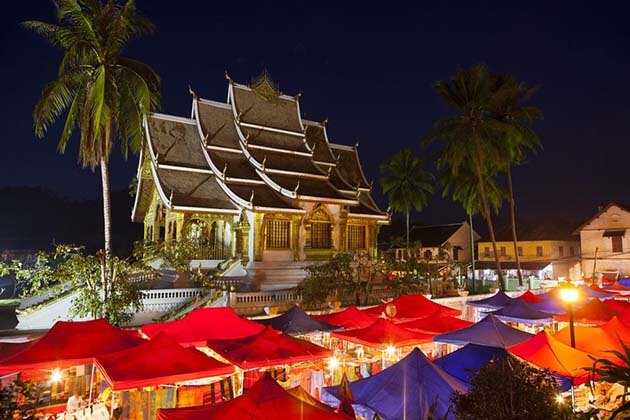
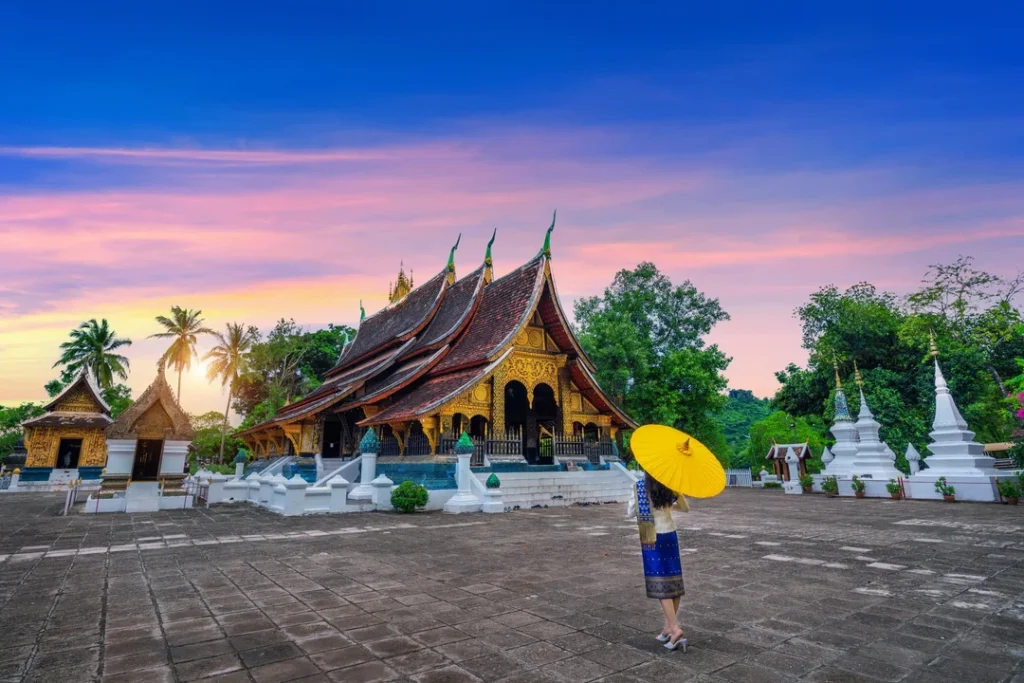
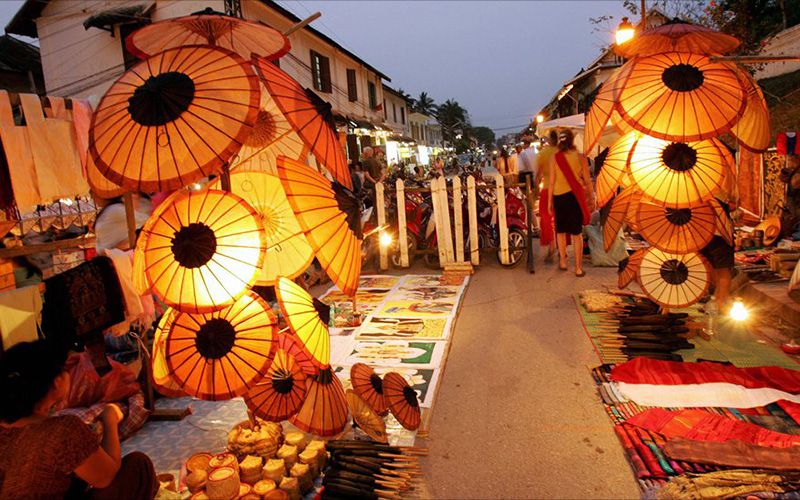
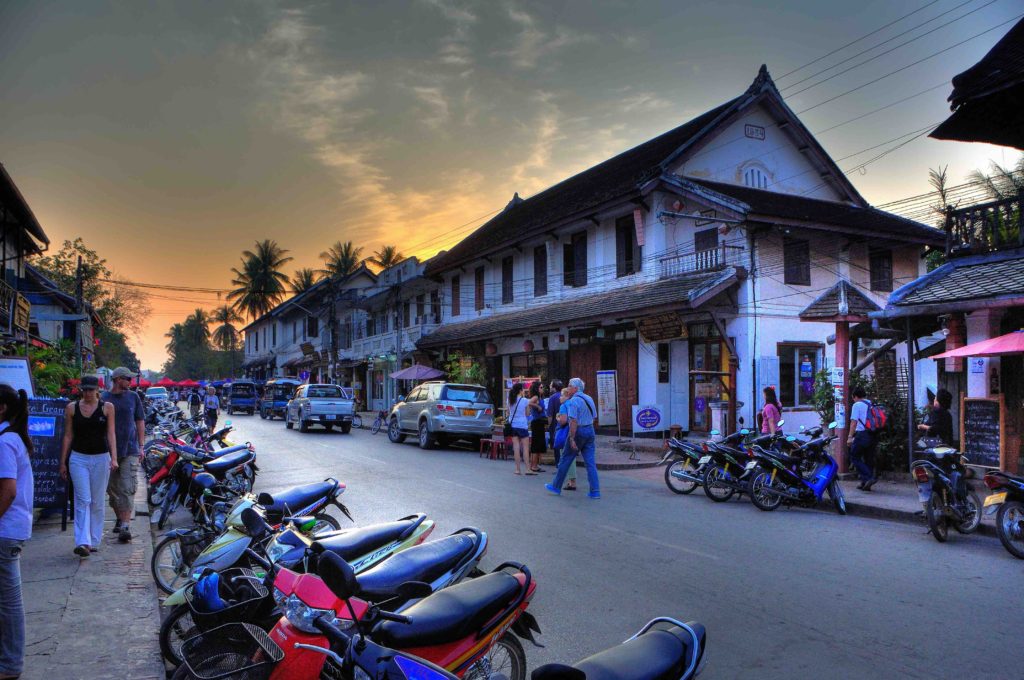
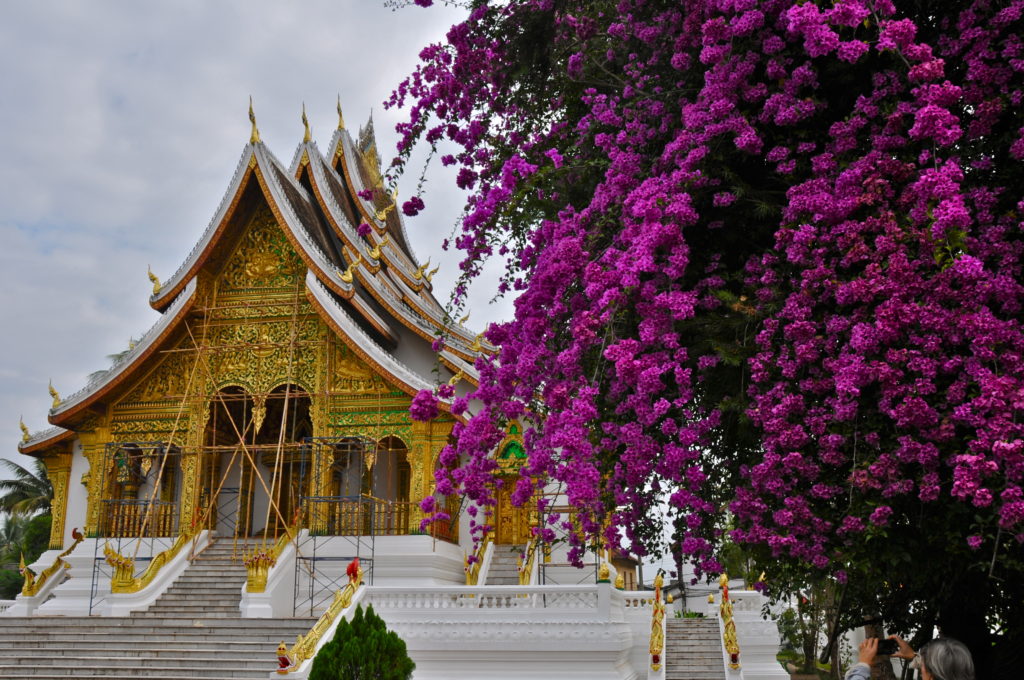
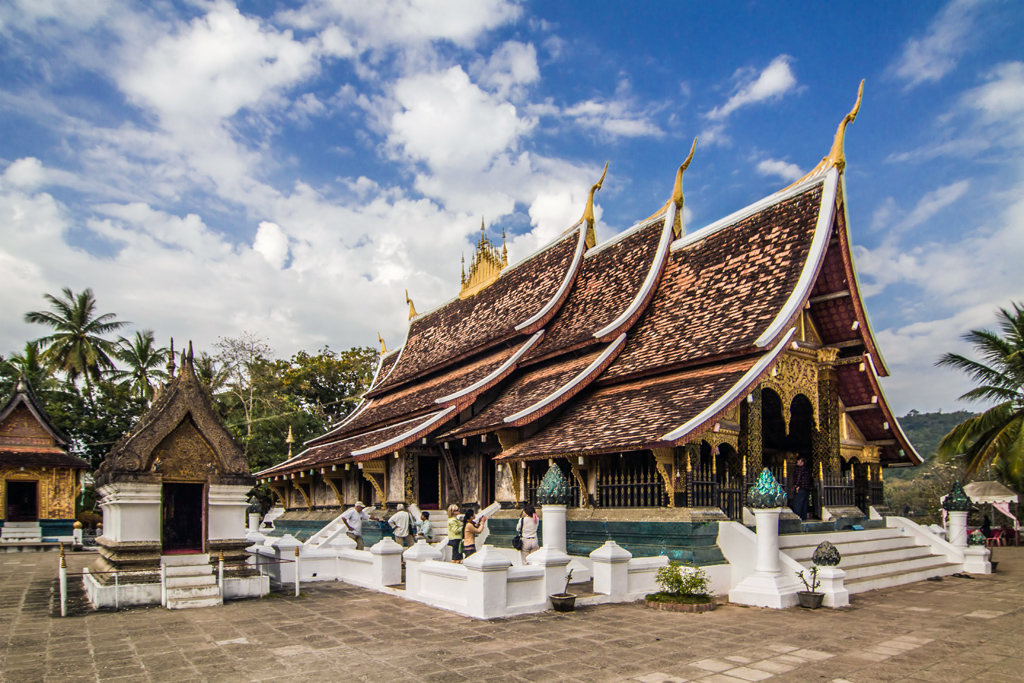
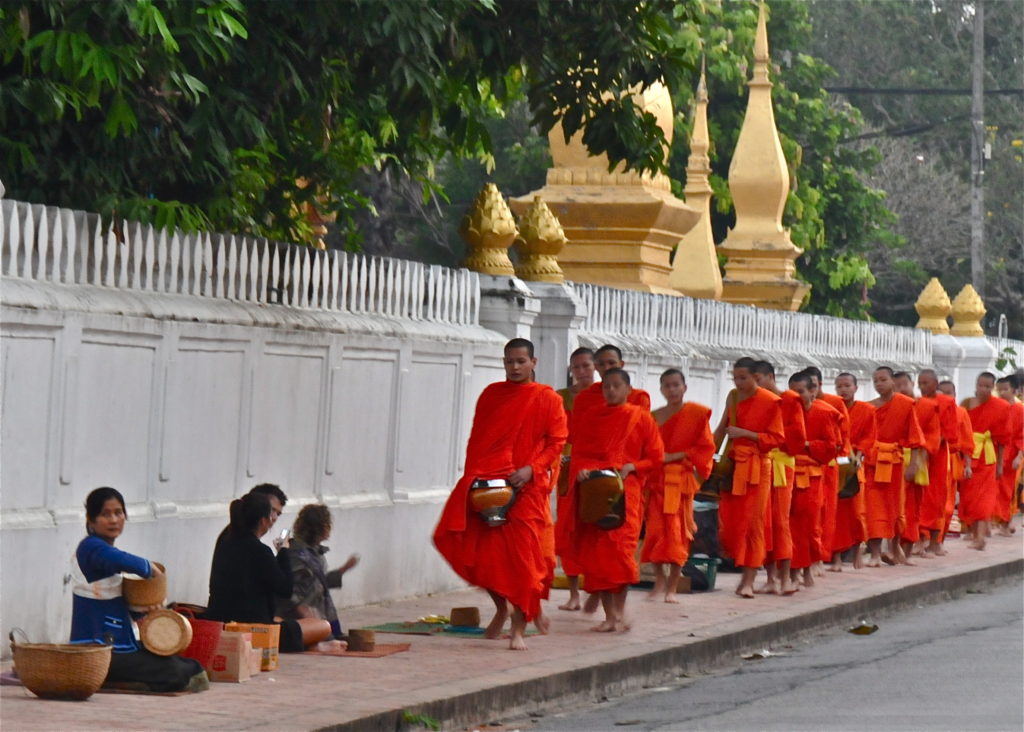
Theravada Buddhism infuses daily life, visible in the thousands of gilded temples (wats) scattered across the country. The former royal capital of Luang Prabang is a UNESCO World Heritage site celebrated for its perfectly preserved blend of traditional Lao architecture and 19th-century French colonial buildings.
🛺 Getting Around
Travel in Laos is part of the adventure, and there are several ways to get around:
- Train: The Laos-China high-speed railway is a game-changer, connecting Vientiane to Luang Prabang in under two hours. It’s a comfortable, scenic, and fast way to travel between key northern destinations.
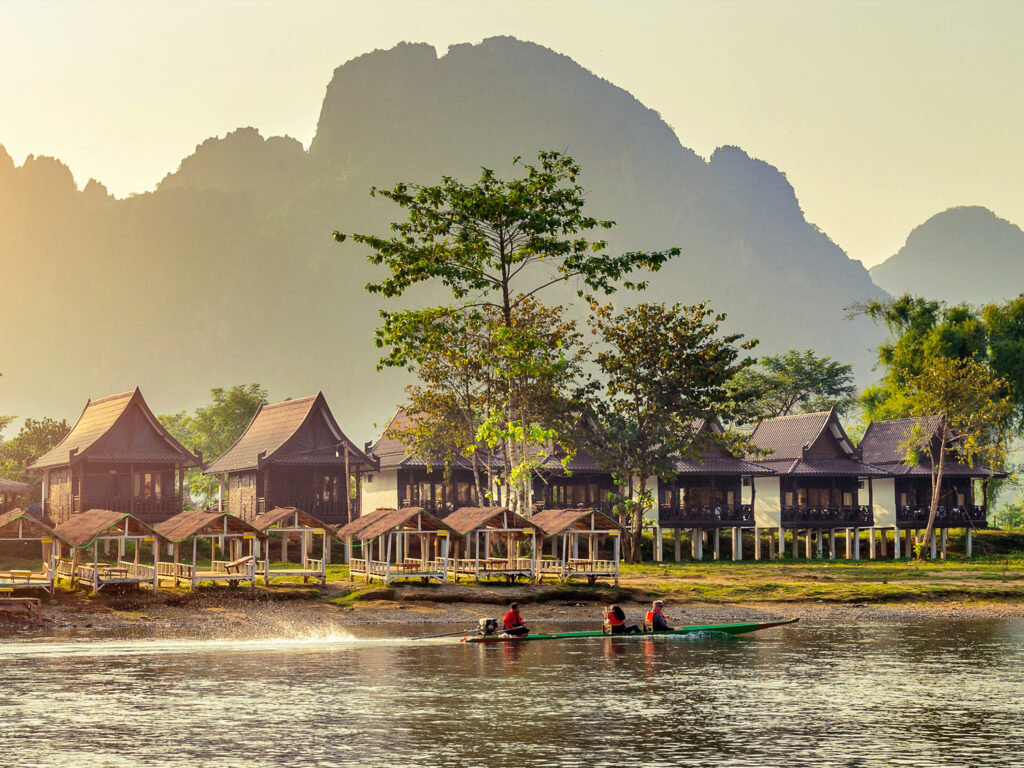
- Boat: For a truly iconic experience, take a slow boat along the Mekong River, for example from the Thai border to Luang Prabang . It’s a slow, contemplative journey that reveals life along the river.
- Road: Buses and minivans connect most major towns and are a budget-friendly option. Renting a motorbike or scooter is an excellent way to explore rural areas and off-the-beaten-path sights like the Thakhek Loop
🛺 Travel Essentials
For anyone planning a visit, here are some key practicalities:
- Best Time to Visit: The most pleasant time is during the cool, dry season from November to February. The weather is ideal for exploring. The monsoon season (June to October) brings heavy rains, while March to May can be very hot and hazy due to agricultural burning.
- Getting Around: Travel in Laos is an adventure in itself. Transport options include comfortable high-speed trains connecting Vientiane and Luang Prabang, domestic flights, scenic slow boats on the Mekong, and a network of buses and minivans.
- Visas: Citizens of over 150 countries can obtain a visa on arrival at major airports and land borders. It is also possible to apply for an eVisa online. Always check the latest requirements for your nationality.
- Currency: The local currency is the Lao Kip (LAK). While US Dollars and Thai Baht are sometimes accepted, the Kip is becoming more widely required. Cash is essential, as credit cards are not widely accepted outside of major hotels and businesses.
- Safety: Laos is generally considered a very safe and low-crime country for tourists. However, travelers should be aware of unexploded ordnance (UXO) in rural areas, especially in Xieng Khouang, and stick to marked trails.
- Costs: Laos is an affordable destination. A comfortable, mid-range trip for a week can cost between $500 and $900, including accommodation, food, and activities.
This blend of natural beauty, spiritual heritage, and authentic local life makes Laos a truly rewarding and distinctive destination in Southeast Asia.